
5 DAYS
ROAD TRIP
Iceland 5-Day Itinerary: 1 Ultimate Route Beats Tours
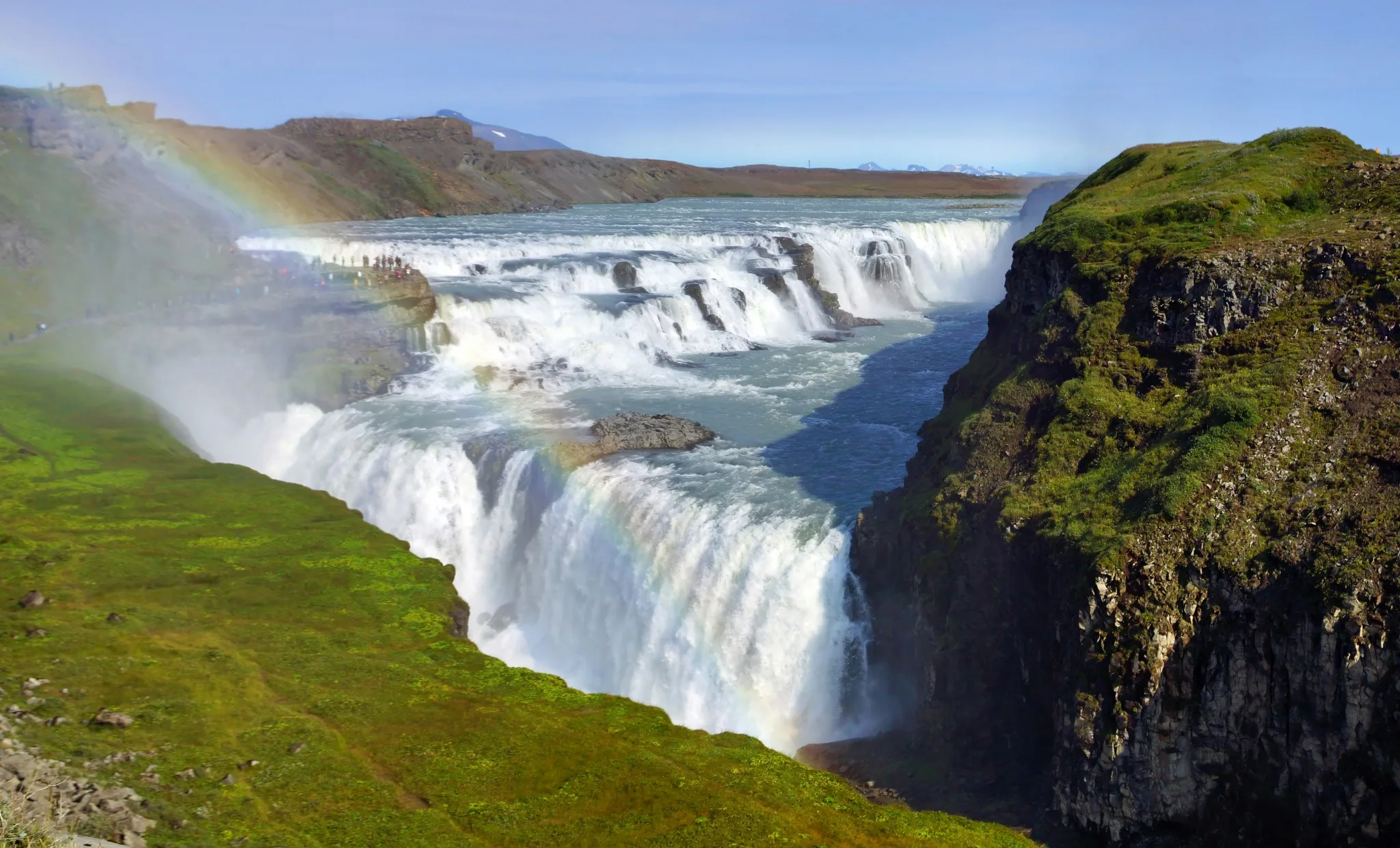
One of our premier self-drive travel itineraries covering the Golden Circle, roaring waterfalls, black sand beaches, and secret hot springs.
Welcome to the master vault of field-tested travel itineraries. Designed by Alex Vance for independent explorers visiting the Travel Tricks official homepage, every blueprint here delivers realistic road timing, verified budget campsites, and zero sponsored commercial bias. When crafting bulletproof travel itineraries, our mission is to eliminate wasted transit hours and protect your personal travel budget.

Verified, on-the-ground route blueprints ready for immediate execution. Select your destination below.
One of our premier self-drive travel itineraries covering the Golden Circle, roaring waterfalls, black sand beaches, and secret hot springs.
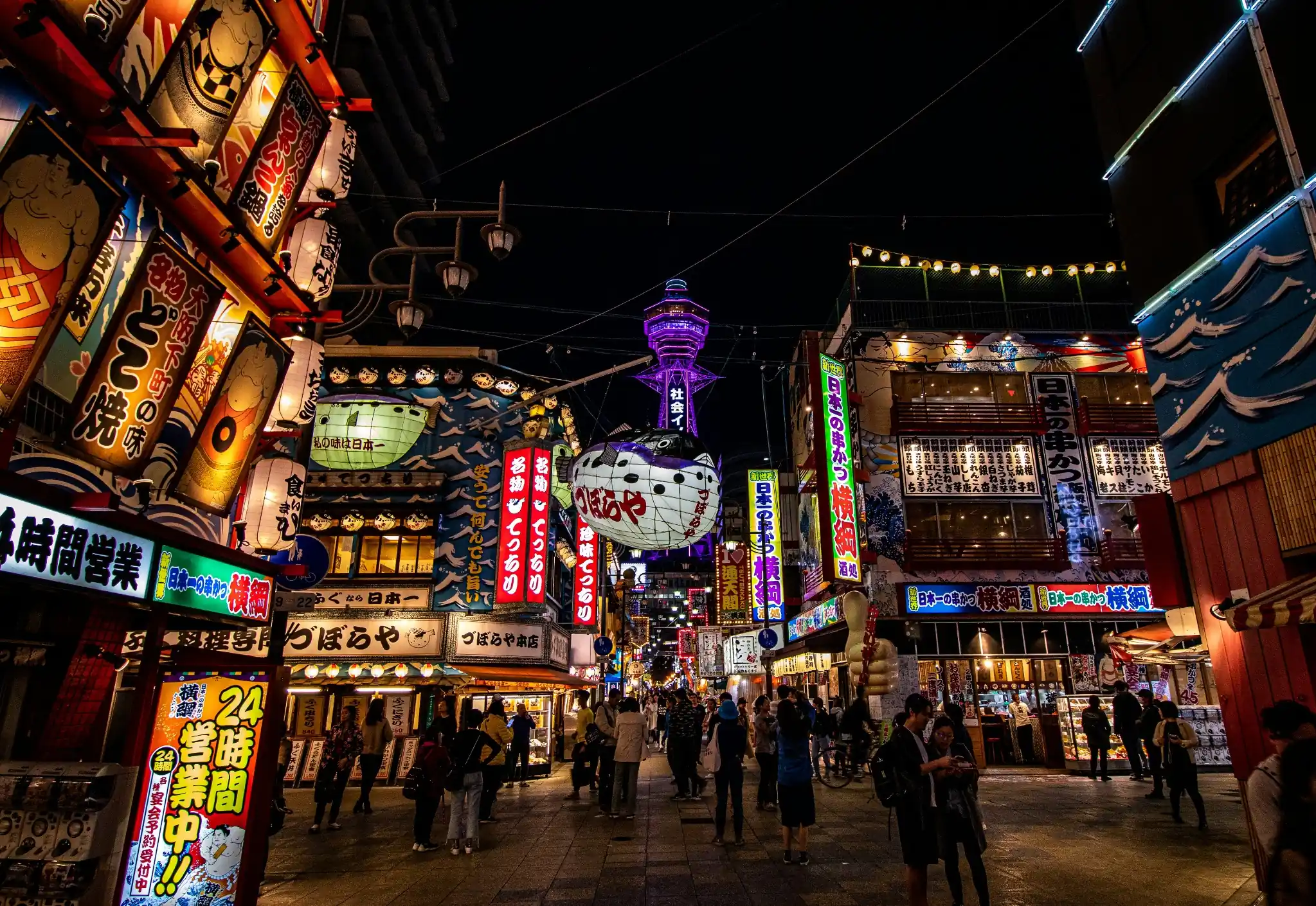
Ranked among our most popular Asian travel itineraries: conquer Tokyo neon, Kyoto temples, and Osaka food alleys on high-speed trains.
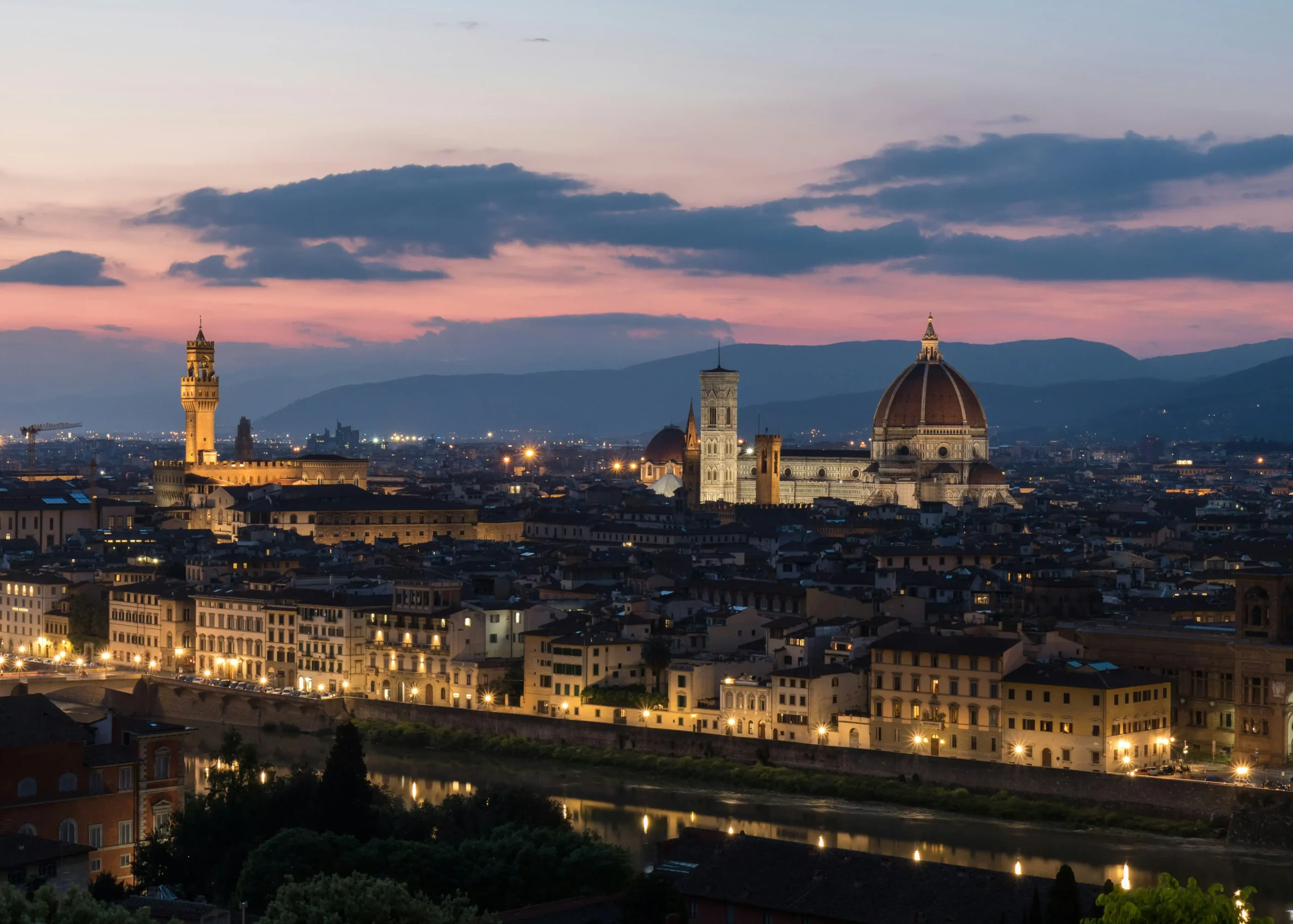
Skip the line museum secrets, panoramic golden hour sunset viewpoints, and authentic trattorias serving pasta under 12 euros.
Most travel plans fail because they are built on algorithmic optimism rather than practical road realities. Here is the operational framework we use to test and log every journey in our vault.
The biggest mistake travelers make is crisscrossing provinces in search of disconnected attractions. We group sights within tight 5-kilometer walking radii or direct rail lines. This simple rule slashes daily transit fees and ensures you spend your daylight exploring rather than waiting in train stations.
Scheduling 100% of your day is a direct path to vacation burnout. All our published travel itineraries dedicate 70% of the day to primary sights and keep 30% strictly unscheduled. This buffer absorbs inevitable train delays, bad weather windows, and spontaneous side-street discoveries.
We anchor routes around high-efficiency transit nodes and grocery hubs rather than expensive tourist centers. Booking basecamps near central transport links allows you to take fast day trips with light daypacks while leaving heavy backpacks secured in your room.
Dragging heavy wheeled luggage through historic cobblestones or crowded Japanese commuter subways drains physical energy immediately. Our guides assume a single carry-on backpack under 40 liters, granting you total speed and transit agility across regional connection points.
When planning your own travel itineraries, always calculate your daily baseline around fixed transit and lodging before allocating a single cent to activities. Preparing breakfasts and packed lunches with local grocery staples routinely saves over $40 per day per traveler without sacrificing authentic dining experiences.
Follow our exact five-phase process to map out realistic routes anywhere in the world.
The foundation of successful travel itineraries begins with spatial mapping. Drop digital pins on must-see monuments, trailheads, and cultural sites across your destination. Visually examining cluster densities immediately reveals which outlying attractions are not worth a five-hour detour.
Examine whether high-speed rail, budget regional buses, or self-drive rentals offer the most efficient connection between your geographic clusters. Researching rail passes versus individual ticket pricing at this stage frequently prevents overspending by hundreds of dollars.
Rather than changing hotels every single evening, select central anchor points where you can spend two to three nights consecutively. Look for family-run guesthouses or hostels situated within a ten-minute walk of major transit terminals.
Before finalizing your travel itineraries, structure each morning around a high-priority landmark, followed by casual neighborhood market explorations for lunch, and scenic viewpoint strolls for golden hour sunset. Always leave late evenings flexible for spontaneous local dining.
World-renowned cultural sights such as the Uffizi Gallery in Florence or the teamLab digital exhibits in Tokyo sell out weeks in advance. Securing timed entry slots before boarding your international flight guarantees seamless execution on the ground.
See how our field-tested approach contrasts with standard algorithmic tour itineraries.
| Logistical Metric | Travel Tricks Field Blueprints | Generic Online Travel Guides | Organized Commercial Bus Tours |
|---|---|---|---|
| Daily Pace | 70% Focused / 30% Free Buffer | 12-Hour Rushed Checklists | Rigid 30-Minute Timed Stops |
| Transit Optimization | Direct Point-to-Point Transit | Theoretical Unverified Routes | Slow Convoys in Traffic |
| Daily Budget Target | $35 – $65 / day (Realistic) | Hidden Resort Fee Spikes | $180 – $260+ / day |
| Food Recommendations | Local Counters & Supermarkets | Overpriced Plaza Tourist Traps | Mass Contracted Buffets |
| Crowd Exposure | Sunrise Starts to Beat Crowds | Peak Midday Arrival Times | Trapped in High-Density Mobs |
Comparing real costs logged throughout our travel itineraries helps you pick the right destination for your savings goal. As highlighted in international field surveys by National Geographic Travel expeditions, understanding seasonal transit fluctuations and local accommodation pricing is what separates budget masters from stranded travelers.
$45 – $75 / day
Self-drive campervan rentals paired with Bonus supermarket cooking and official campsite hookups keep expenses manageable without paying tour markups.
$35 – $55 / day
Individual point-to-point Shinkansen tickets, smartphone IC subway cards, konbini meals, and private capsule stays provide exceptional value.
$30 – $50 / day
Completely walkable historic centers, pre-booked museum entries, fresh schiacciata panini counters, and neighborhood trattorias ensure a rich cultural trip.
Every mile and transit fee across our travel itineraries is tested directly on the road before publication.
Zero 16-hour driving marathons. We prioritize deeper exploration over rushed, exhausting tourist checklists.
We decline free tourist bureau trips to keep our accommodation and route rankings completely objective.
Everything you need to know about navigating, customizing, and budgeting our published routes.
Every route in our travel itineraries vault is logged directly on the road by Alex Vance. We record realistic daily driving distances, public transit connections, campsite fees, and local meal expenses to ensure total transparency.
Yes. Each plan is broken into standalone daily segments. You can easily extend layovers or compress highlights to match your personal flight schedule.
It depends on the terrain. Our Iceland route requires a self-drive campervan or 2WD vehicle, whereas Japan and Florence rely entirely on bullet trains and walkable historic lanes.
Yes. We focus on self-catering supermarket tips, family-run side-street trattorias, and high-value boutique capsule stays to keep daily costs under $30 to $50 across all published travel itineraries.
The most common pitfall is over-scheduling every waking hour without buffer windows. Cramming too many destinations into a tight window causes exhaustion and inflates transportation costs.
We review our published routes quarterly to verify rail pass fee adjustments, museum booking systems, and local entrance regulations.