3 Days in Tokyo: A Budget Itinerary That Saves Train Time
For 3 days in Tokyo, split the city into three clusters: old Tokyo in the east, the neon west, and the central bay area. Grouping sights by train line instead of by fame saves hours of transfers and keeps a budget trip near $50 to $70 a day.
After seven years of backpacking, Tokyo is the city that always stretches my usual $30 to $50 a day. It does not have to break it. This is the route I would hand a friend: early starts, free sights, cheap counter meals and one wild card afternoon. For ready-made routes elsewhere, browse the Travel Tricks Itineraries Vault.
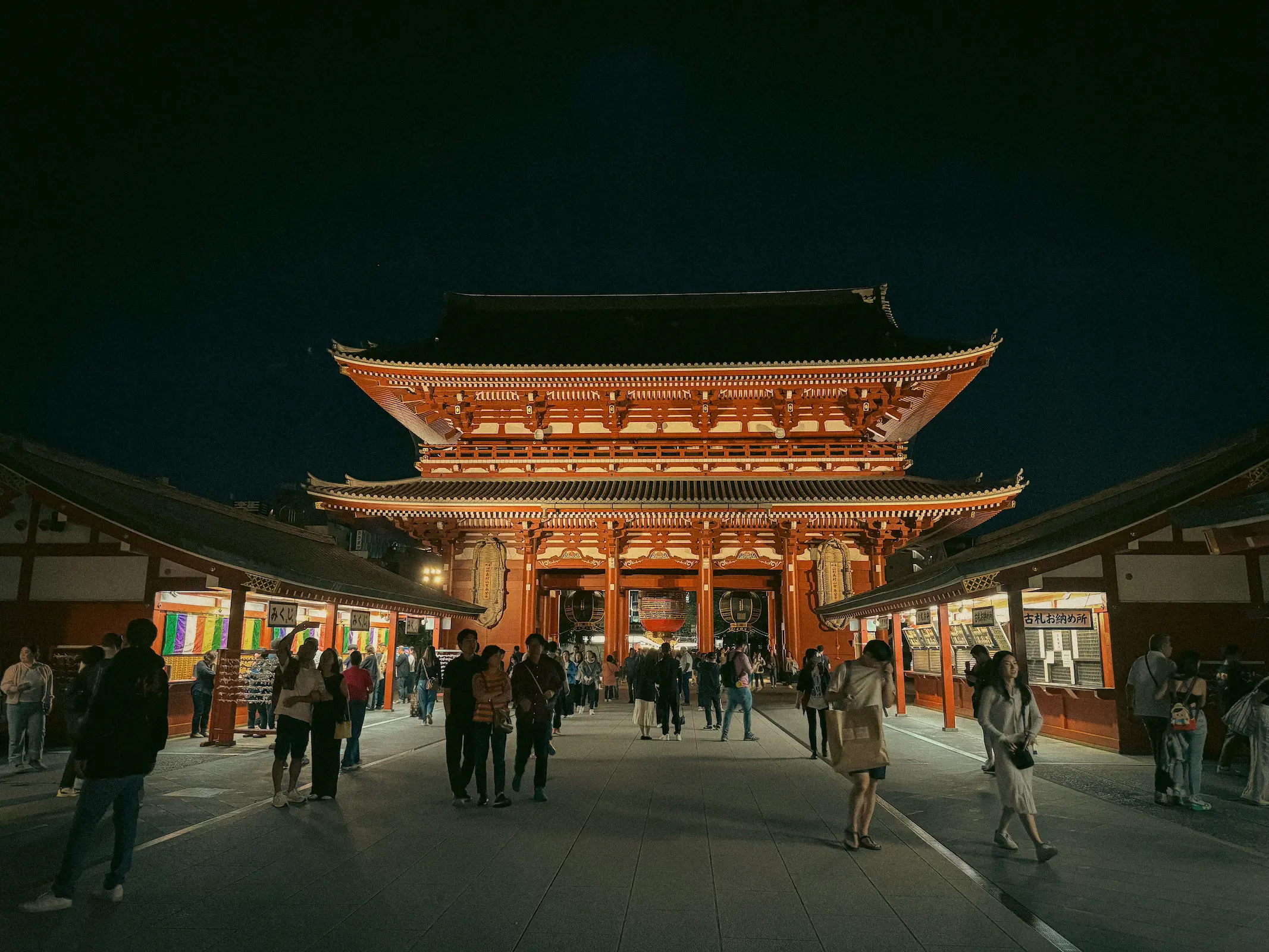
Senso-ji before the crowds: the easiest way to start 3 days in Tokyo.
What’s Inside
Is 3 Days in Tokyo Enough?
Three full days covers the classic highlights if you accept one rule: you will not see everything. The biggest time sink is not the sights. It is crossing the city twice a day because you planned by attraction.
With 3 days in Tokyo, I give each day one side of the city. East first, west second, center third. Jet lag will probably wake you early on day one anyway, so use it at the temples.
From Haneda, trains into the city usually cost a few hundred yen. Narita is much farther out, and Keisei’s regular trains cost far less than the Skyliner express. Check current fares before you land.
For visas, money and etiquette basics, read my Japan travel guide first.
Day 1: Asakusa, Ueno and Yanaka
Start East on Your First Time in Tokyo
On my first morning in Tokyo, I walked into Senso-ji around 7am. The grounds were almost empty and the Nakamise shopping street was still shuttered. By late morning, the same spot was shoulder to shoulder. The grounds stay open around the clock, though the main hall keeps shorter hours.
After the temple, walk about ten minutes to Kappabashi Street, the kitchenware district where restaurants buy their plastic food displays. Then ride the Ginza Line three stops to Ueno.
Ueno Park is free and big enough for an hour of wandering. Grab a cheap lunch along Ameyoko, the busy market street that runs beside the train tracks toward Okachimachi. In the late afternoon, take the JR Yamanote Line two stops to Nippori and walk to Yanaka Ginza. It is an old-style shopping street, and the steps at its top end are a well-known local sunset spot.
Still have energy? Akihabara is a short ride south, with electronics and anime shops open well into the evening.
Day 2: Harajuku, Shibuya and Shinjuku
Day two runs along the JR Yamanote Line, the loop that circles central Tokyo. Start at Meiji Jingu, right next to Harajuku Station. The shrine opens around sunrise, closes around sunset, and entry is free. The forest path to the main hall feels nothing like the city outside.
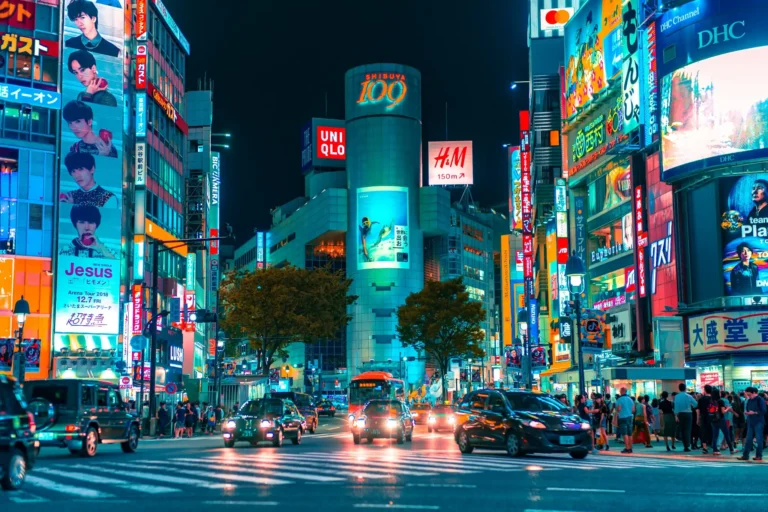
Next, walk Takeshita Street, then drift down Omotesando. From there, Shibuya is roughly a 20 minute walk. Watch the Scramble Crossing from the station’s upper walkways first, then cross it yourself a couple of times.
Free Views and Cheap Dinner in Shinjuku
Ride the Yamanote north to Shinjuku. The Tokyo Metropolitan Government Building has free observation decks on the 45th floor. On clear days you can sometimes spot Mount Fuji. Check opening hours first, since decks can close for maintenance.
For dinner, squeeze into Omoide Yokocho, a tight alley of smoky yakitori counters beside the station. Nearby Golden Gai has tiny bars that often charge a cover fee, so read the sign first. The mistake I made in Shinjuku was ignoring the clock. Last trains leave around midnight, and my taxi back cost more than my dorm bed.
Day 3: Tsukiji, Ginza and Your Wild Card
Have breakfast at Tsukiji Outer Market. The wholesale market moved to Toyosu, but the outer market’s stalls still sell grilled seafood skewers and sweet omelet on a stick. Many stalls close on Sundays, public holidays and some Wednesdays, so plan around that.
Walk north into Ginza. On weekend afternoons the main street often closes to cars, which makes for an easy stroll. Keep going to the Imperial Palace East Gardens. Entry is free, but the gardens usually close on Mondays and Fridays. I learned that by standing at a locked gate on a Friday morning.
Leave the afternoon open. That flexible block is what makes 3 days in Tokyo feel relaxed instead of rushed. My picks are the vintage shops of Shimokitazawa or a slow loop of Inokashira Park in Kichijoji. Flying out today? Leave your pack in a station coin locker, roughly 300 to 800 yen depending on size.
Got more time in the country? My 10 day Japan itinerary shows how to build Tokyo into a longer trip.
Travel Trick: Plan by Train Line, Not by Landmark
Before each day, pick one line and stack your stops along it. The Ginza Line links Asakusa, Ueno, Ginza and Shibuya. The Yamanote Line strings Harajuku, Shibuya and Shinjuku together. The Keio Inokashira Line runs from Shibuya to Shimokitazawa and Kichijoji. Fewer transfers means more street time, the real luxury on 3 days in Tokyo.

Stack your stops along one line and the city shrinks fast.
Getting Around: Tokyo Subway Ticket or IC Card?
Get an IC card first. Suica and PASMO work on almost every train, subway and bus in the city, plus convenience stores. Visitors can usually buy a tourist version or add Suica to a phone wallet, but availability changes, so check on arrival.
The Tokyo Subway Ticket is a 24, 48 or 72 hour pass sold to visitors. The 72 hour version costs around 1,500 yen. It covers Tokyo Metro and Toei subway lines only. It does not cover JR trains, including the Yamanote Line.
I learned this the expensive way: I bought a 72 hour pass, then spent most of day two on the Yamanote. If you will ride the subway three or more times a day, the pass usually pays off. If your route leans on JR or walking, stick with the IC card. Single subway rides run roughly 180 to 330 yen, so check current prices and do the math.
Where to Stay in Tokyo for a Short Trip
Where to stay in Tokyo matters more on a short trip, because a bad base adds an hour of transit daily. For budget travelers, I lean toward the east side. Asakusa and Ueno have plenty of hostels and capsule hotels, and they sit right on the Ginza Line. Shinjuku and Shibuya are central but usually cost more per night.
| Area | Budget Beds | Vibe | Best For |
|---|---|---|---|
| Asakusa | Many hostels, often cheaper | Traditional, quieter at night | Early temple starts, first visits |
| Ueno | Good mix of hostels and capsules | Busy and practical | Keisei trains to and from Narita |
| Shinjuku | Lots of choice, higher prices | Neon, lively late | Nightlife and a huge transport hub |
| Shibuya | Fewer cheap beds | Trendy and crowded | Shopping and west side wandering |
Dorm beds in Tokyo usually run around 3,000 to 6,000 yen a night, roughly $20 to $40 depending on the exchange rate. Weekends and cherry blossom season push prices up, so check current prices early.
Tokyo on a Budget: What I Actually Spend
Doing Tokyo on a budget is realistic if you eat like locals and chase free views. My typical day there lands around $50 to $70, bed included. Across 3 days in Tokyo, that adds up to roughly $150 to $210 before flights.
Breakfast is a convenience store run: an onigiri rice ball and a coffee for well under 500 yen. Lunch is a set meal at a beef bowl chain or a standing soba counter, often 500 to 900 yen. Tipping is not expected in Japan, so the price you see is the price you pay.
- Do the free sights first: Senso-ji grounds, Meiji Jingu, Ueno Park and the Metropolitan Government observatories cost nothing.
- Carry some cash. Cards work in more places now, but small eateries and shrine offerings may be cash only. 7-Eleven ATMs generally accept foreign cards.
- Buy supermarket bento in the evening, when many stores mark down unsold boxes.
Before you lock in your days, check festival dates and seasonal closures on Go Tokyo, the city’s official travel site.
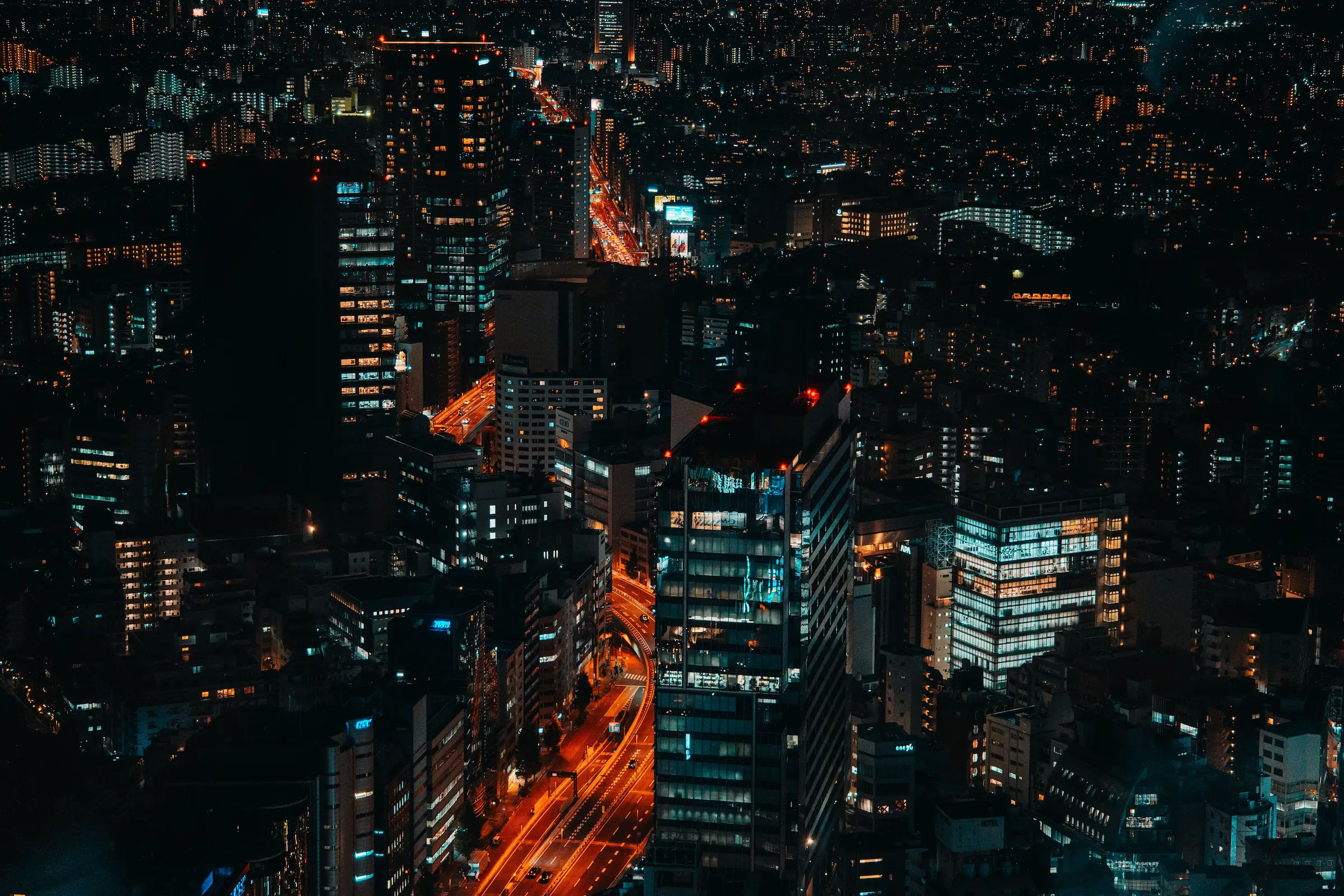
Free night views are one of the best deals in the city.
3 Days in Tokyo: Quick Answers
Yes, for the highlights. Three days lets you cover the east, the west and the center if you group sights by area. You will not see everything, so leave one flexible afternoon for whatever grabs you.
Excluding flights, I plan on roughly $150 to $210 in total. That assumes a dorm bed, cheap counter meals, an IC card for transport and mostly free sights. Prices and exchange rates change, so check current costs before you go.
It usually pays off if you ride the subway three or more times a day. It does not cover JR trains such as the Yamanote Line, so if your route is mostly JR or walking, an IC card like Suica or PASMO is the better choice.
When deciding where to stay in Tokyo on a budget, Asakusa and Ueno are my top picks. Both have plenty of hostels and capsule hotels, and both sit on the Ginza Line, which links many of the main sights.
Start early. Popular spots like Senso-ji and Meiji Jingu are calm in the early morning and packed by midday. At night, watch the clock, because last trains run around midnight and taxis are expensive.
Common Traveler Mistakes
I once zigzagged from Asakusa to Shinjuku and back in one day, mostly underground. Give each day one side of the city.
Subway-only passes do not work on JR trains like the Yamanote Line. Map your route before buying.
Trains stop around midnight and late taxis are pricey. Check your last connection early.
Plenty of small counters still prefer cash. Pull some yen at a convenience store ATM on day one.
Many Tsukiji stalls close on Sundays and holidays, and the Imperial Palace East Gardens usually close on Mondays and Fridays.
Final Verdict on 3 Days in Tokyo
If this is your first time in Tokyo, 3 days in Tokyo is enough to fall for the city, as long as you plan by area and start early. Base yourself in Asakusa or Ueno, use an IC card unless your route is subway heavy, and keep one afternoon free. For more budget routes and road-tested tricks, head back to the Travel Tricks homepage.