How to Pack Light: The One-Bag System I Use Every Trip
Learning how to pack light comes down to three moves: choose one small bag first, pack for one week no matter how long you travel, and plan to do laundry on the road. That is the whole system. After 7+ years and 40+ countries on roughly $30 to $50 a day, it is the only method that has never failed me.
It was not always like this. On my first long trip, my backpack was so heavy I had to sit on the floor to strap it on. By week two, I was leaving shirts on hostel free shelves just to make walking bearable.
Below are the exact rules I use now. To see how one bag handles a full route, open the Itineraries Vault and picture every stop with one bag.
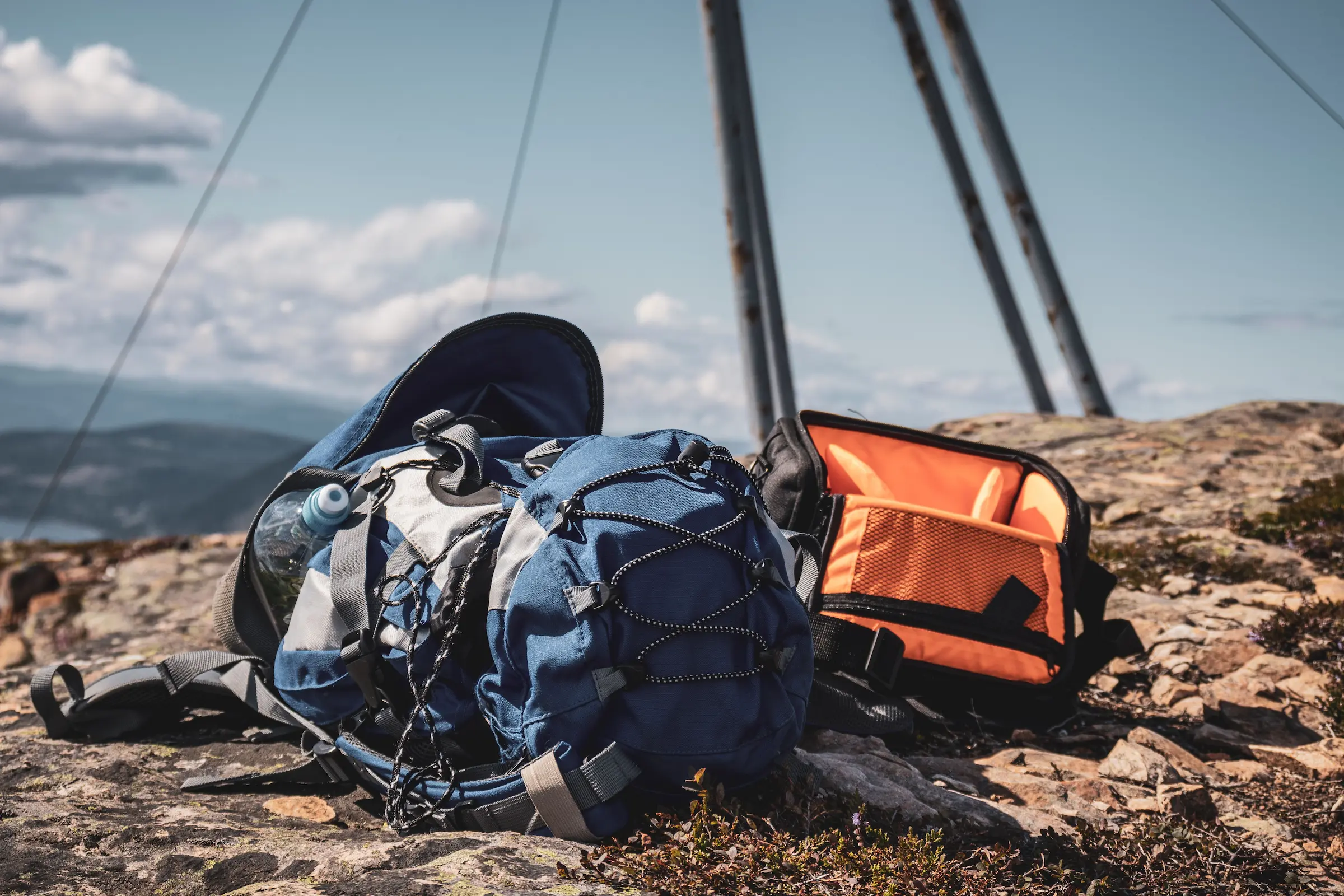
Learning how to pack light starts with one small bag and the discipline to stick to it.
What’s Inside
What Light Really Means on the Road
Before you learn how to pack light, decide what light means for you. For me, it means one bag that fits in the airplane cabin, plus a small daypack for under the seat. In practice, that is a 30 to 40 liter backpack weighing somewhere around 7 to 10 kg when full.
That setup makes carry-on only travel possible on most of my flights. I skip the carousel and catch the first bus into town.
Here is the honest part: there is no universal carry-on size. Full-service airlines often allow a cabin bag of roughly 55 x 40 x 20 cm plus a personal item, but the exact numbers differ. Many budget airlines only include a small under-seat bag in their cheapest fare. Weight limits vary too. Always verify with your airline before flying.
My decision rule is simple. If your route includes even one budget airline, size your bag for the strictest carrier on the trip. If you only fly full-service, you can use the bigger allowance.
How to Pack Light, Starting With the Bag
The bag is your budget. Whatever space you give yourself, you will fill. So I choose the bag first, then decide what earns a place inside.
Pick a Bag That Forces Hard Choices
Look for a clamshell opening, so the bag unzips like a suitcase instead of making you dig from the top. A padded hip belt matters more than fancy pockets once you walk longer than ten minutes. Also check the empty weight. Some bags weigh well over 1.5 kg before you add a single sock.
I keep my item-by-item kit in my carry-on packing list, so this guide focuses on the rules behind it. Honestly, how to pack light is less about gear and more about saying no.
Backpack or Wheels?
The mistake I made in Lisbon was rolling a wheeled bag up the steep, cobbled streets of Alfama. The wheels rattled and jammed on the stone paving the whole way up. Since then, I use a backpack anywhere with hills, stairs, ferries or dirt roads.
Build a Minimalist Packing List for Clothes
A good minimalist packing list starts with clothes, because they take up most of the space. My rule: pack for seven days, whether the trip lasts ten days or six months.
Build a Capsule Wardrobe for Travel
A capsule wardrobe for travel means every top works with every bottom. I stick to two neutral base colors, like navy and grey, plus one accent color. Five tops and two bottoms then give me ten outfits instead of five awkward ones.
For a mixed climate, I bring 4 or 5 tops, 2 bottoms, 5 sets of underwear and socks, 1 warm mid-layer, 1 light rain jacket and something to sleep in that doubles as gym clothes. Merino wool and quick-dry synthetics beat cotton because they dry overnight after a sink wash. Jeans are the classic trap: heavy, bulky and slow to dry.
Shoes Are the Heaviest Decision
Two pairs, maximum. One comfortable pair I can walk in all day, and one lighter pair for evenings or hot days. Wear the bulkier pair on travel days so it never touches your bag. The only extra I allow is cheap flip-flops for hostel showers.
Use Packing Cubes, but Know Their Limits
Packing cubes keep a backpack organized, and they make it easy to find a clean shirt in a dark dorm room. But compression cubes only squeeze volume. They do not reduce weight. I have watched travelers cram in one more cube, then wonder why their shoulders ache.
Shrink Your Toiletries and Liquids
Toiletries are sneaky. Each bottle feels small, but together they can outweigh a pair of shoes.
Liquid rules at security depend on where you fly from. At US airports, the 3-1-1 rule limits carry-on liquids to containers of 3.4 ounces (100 ml) or less, all inside one quart-sized bag. You can read the details on the TSA liquids rule page. Many other countries use a similar 100 ml limit, but some airports with newer scanners have changed their rules. Check the rules of the airport you depart from.
My fix is to go solid wherever possible: a shampoo bar, bar soap and solid deodorant. Solids generally do not count toward liquid limits, but security staff always have the final say.
On my first night in Bangkok, I unpacked a full-size bottle of sunscreen I had carried halfway around the world. Then I walked into a 7-Eleven down the street and found sunscreen right there on the shelf. Now I follow one rule: if a supermarket at my destination sells it, I buy it there.
Do Laundry Instead of Packing More
This is the real secret of how to pack light: you are not packing for the whole trip, only until the next wash.
Sink wash: a little soap, warm water, then wring the clothes inside a towel and hang them overnight.
Hostel laundry: many hostels have washing machines or a paid laundry service. My guide to staying in a hostel covers what to expect.
Laundry shops: across much of Southeast Asia, small shops wash, dry and fold your clothes for a price per kilo. In Vietnam, a full bag usually cost me just a few dollars, but check current prices locally.
I also pack a universal flat sink plug and a few detergent sheets. They weigh almost nothing and turn any bathroom into a laundry room.
Travel Trick: The 20-Minute Walk Test
The night before you leave, pack everything and wear the bag for 20 minutes. Walk around the block, climb some stairs and stand still like you are waiting for a late bus. Then unpack and remove anything you did not miss. I still remove something every time. It is the fastest way to learn how to pack light for your own body, not someone else’s list.
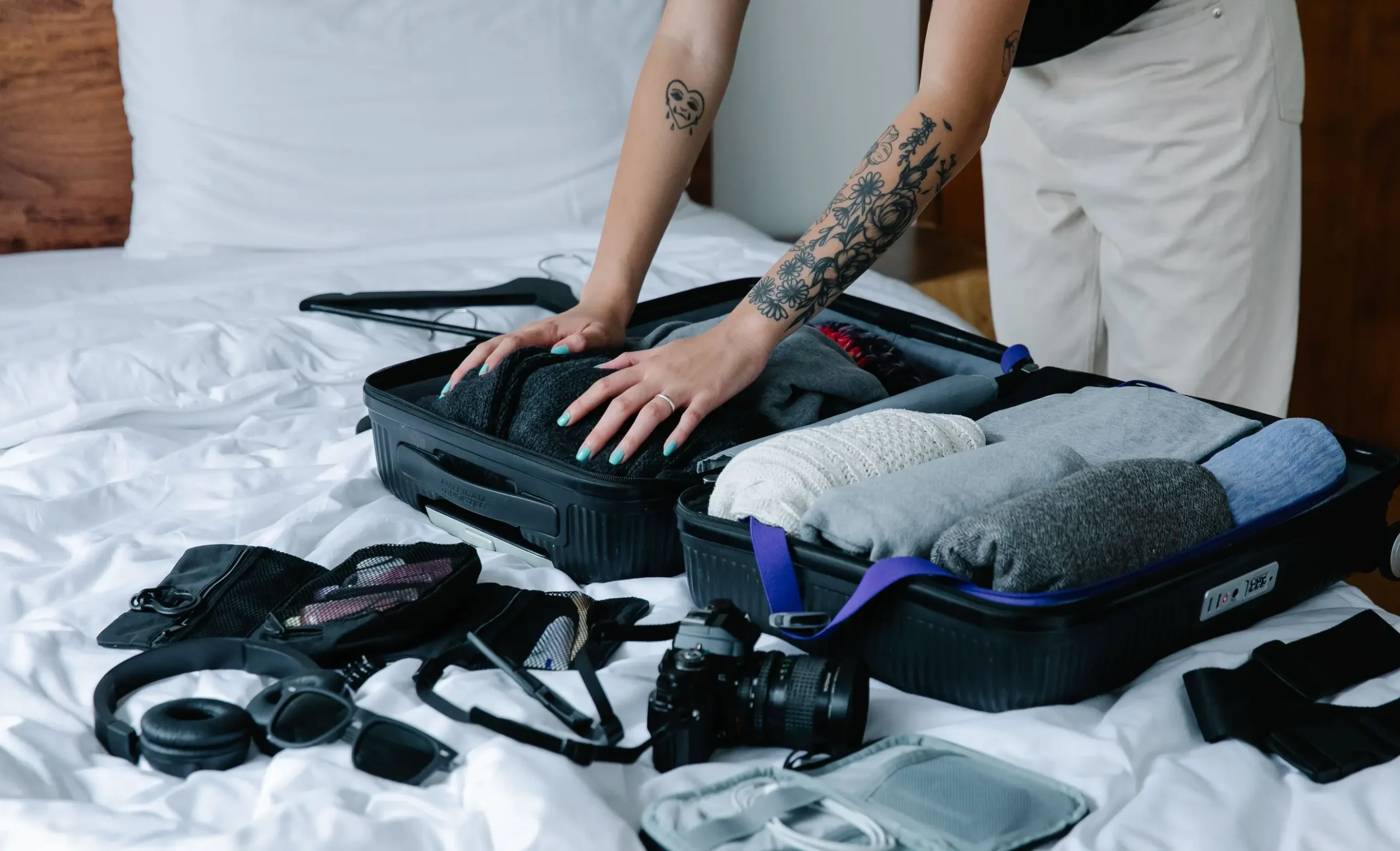
Two base colors and one accent turn a handful of clothes into a week of outfits.
Backpack vs Wheeled Carry-On for Carry-On Only Travel
Not sure which bag style fits your trip? Here is how the three common setups compare. Allowances vary by airline, so treat this as a general guide.
| Bag Style | Best For | Weak Spot | Choose It If |
|---|---|---|---|
| Travel backpack (30 to 40 liters) | Multi-country trips, hostels, buses and ferries | Can feel hot on your back in tropical heat | Your route has stairs, hills or unpaved roads |
| Wheeled carry-on | City breaks and smooth airport-to-hotel trips | Struggles on cobblestones, stairs and sand | You mostly move between places with lifts and flat pavements |
| Under-seat bag only | Short trips on budget airlines | Little room for warm layers; size limits set by each airline | You want to avoid cabin bag fees on a weekend away |
How to Pack Light: My 9-Rule Checklist
Before every trip, I run through these nine rules. If my bag passes all of them, I zip it up.
- Choose the bag first and size it for the strictest airline on your route.
- Pack for seven days, no matter how long the trip lasts.
- Pick two base colors and one accent so everything matches.
- Bring two pairs of shoes at most and wear the heavier pair.
- Swap liquids for solid toiletries wherever you can.
- Buy bulky basics like sunscreen at your destination.
- Choose fabrics that dry overnight after a sink wash.
- Pack a sink plug and detergent sheets so you can wash anywhere.
- Do the 20-minute walk test and remove one more thing.
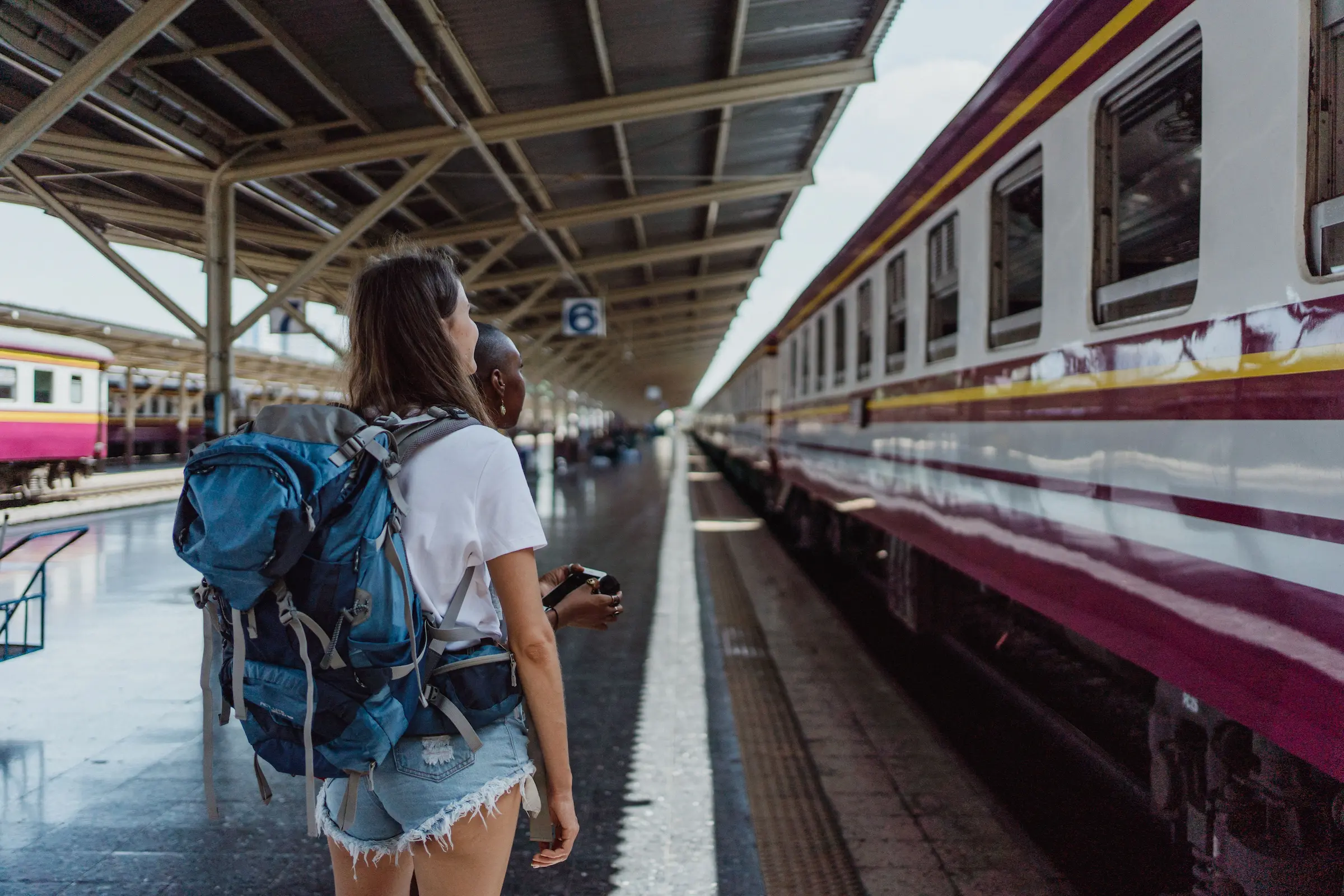
One bag means no carousel, no lockers and no stress when the next train is about to leave.
Packing Light FAQ
Pack for one week and plan to do laundry every five to seven days. A long trip does not need more clothes, only more washes. Buy toiletries and seasonal items at your destination as you go.
A 30 to 40 liter backpack works for most travelers, but there is no universal carry-on size. Allowances differ between airlines and fare types, so check the rules of every airline on your route before you buy a bag.
Yes for organization, especially in shared dorms. Compression cubes save space, but they do not reduce weight, so they will not fix an overpacked bag.
Clothes for about seven days, two pairs of shoes, one warm layer, one rain jacket, solid toiletries, your chargers and a simple laundry kit. Add only what your destination truly requires.
Around five tops and two bottoms in matching colors give you about ten outfit combinations. That is enough for weeks on the road when you wash clothes regularly.
Common Traveler Mistakes
I used to pack for rain, a fancy dinner and a mountain hike, all on one trip. Most of it never left the bag. Pack for what is likely and buy the rare item if needed.
A bag that flies free on one airline can trigger a gate fee on the next. Check the cabin allowance for every flight on your route, not just the first one.
Full bottles are heavy and can be taken away at security. Decant into small containers or switch to solid bars.
They eat space and can stay damp for a day or more after washing. Quick-dry fabrics let you wash at night and wear in the morning.
If you have never carried your packed bag further than the car, the first hostel staircase will teach you fast. Test it at home first.
My Verdict on How to Pack Light
If you remember one thing, make it this: pick a small bag, pack for one week and wash as you go. That is how to pack light without feeling like you are missing out.
Try it on your next trip, even a weekend away, and start with the 20-minute walk test. Then come back to Travel Tricks for more budget-first guides from the road.