Mexico Travel Guide for Backpackers: Skip the Resort Bubble
This Mexico travel guide skips the resort bubble and gives you a backpacker route through five regions: Mexico City, Oaxaca, Chiapas, the Yucatán and the Caribbean coast. Plan 2 to 3 weeks, ride first-class buses, and you can travel well on about $30 to $50 a day outside the big resort towns.
Mexico is one of my favorite countries after 7 years on the road, and one of the most misunderstood. Many first-timers fly into Cancún, stay a week and leave thinking they have seen Mexico. Once you pick your route here, grab a day-by-day plan from the Travel Tricks itineraries vault.
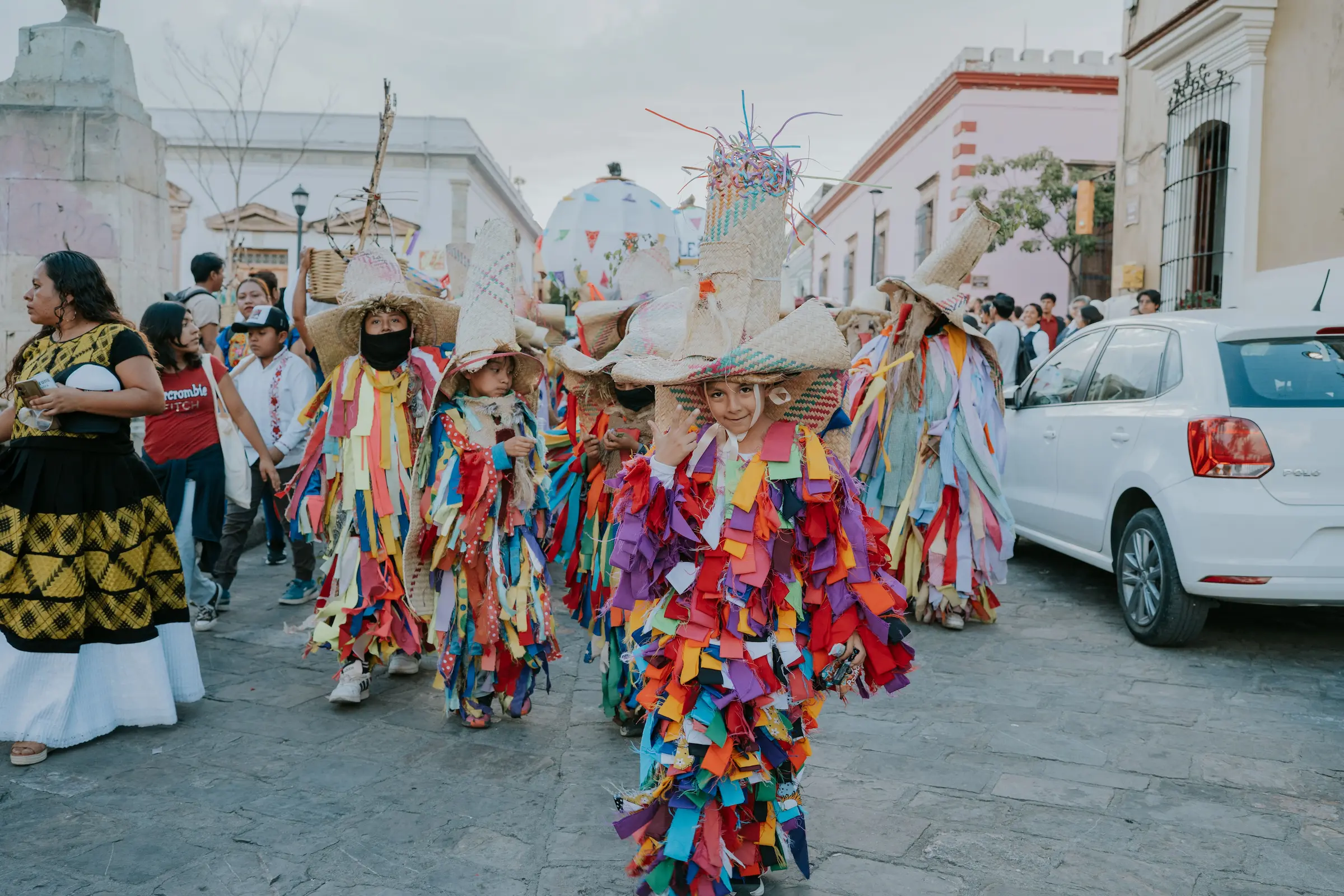
Oaxaca’s colorful streets, my favorite stop in this Mexico travel guide.
What’s Inside
- The Best Places to Visit in Mexico on a Budget Route
- How Long to Spend: A Mexico Travel Guide Route Planner
- Getting Around Mexico: Buses, Flights and Apps
- Mexico Travel Costs on $30 to $50 a Day
- Is Mexico Safe for Tourists? My Honest Rules
- Mexico Travel Guide FAQ
- Common Traveler Mistakes in Mexico
- Final Verdict on This Mexico Travel Guide
The Best Places to Visit in Mexico on a Budget Route
Mexico is huge, so do not try to see it all. These five regions connect in a rough line from the center to the southeast. That keeps bus rides manageable.
Mexico City (4 days)
Start in the capital, home to world-class museums and some of the best cheap food anywhere. Walk the Centro Histórico, spend a day in Chapultepec Park and the National Museum of Anthropology, and look at Roma or Condesa for your base. For a day trip, buses to the Teotihuacan pyramids leave from the northern bus terminal.
On my first day, I tried to walk from the Zócalo to Chapultepec in one go. The city sits at about 2,240 meters, and halfway there I was out of breath with a pounding headache. Take day one slowly and drink plenty of water.
Oaxaca (3 to 4 days)
Oaxaca is the food capital of this route. Try mole, tlayudas and chapulines (toasted grasshoppers) at the markets. The historic center and the hilltop ruins of Monte Albán share a UNESCO World Heritage listing. Hierve el Agua, the petrified waterfall, sometimes closes due to local disputes, so ask first.
Chiapas: San Cristóbal and Palenque (3 to 4 days)
San Cristóbal de las Casas is a mountain town with cold nights, so pack a warm layer. The Maya ruins of Palenque sit in the jungle, a long and winding bus ride away. Road blockades happen in Chiapas at times, so ask your hostel before long road days.
The Yucatán: Mérida and Valladolid (4 days)
Mérida is a relaxed colonial city. Valladolid is smaller, cheaper and closer to Chichén Itzá. Base yourself there, catch an early bus to the ruins before the heat and tour groups arrive, then rent a bike to reach nearby cenotes in the afternoon. Entry to Chichén Itzá is split into two separate fees, so check current prices before you go.
The Caribbean Coast: Bacalar Over Tulum (3 days)
Tulum has beautiful ruins on a cliff, but the beach town is priced for luxury travelers now. When I arrived, a basic private room cost more than I usually spend in a whole day elsewhere in Mexico. I moved south to Bacalar, a freshwater lagoon famous for its shades of blue, where hostels and food felt like Mexico again. See the Tulum ruins as a day stop, then sleep in Bacalar.
How Long to Spend: A Mexico Travel Guide Route Planner
My decision rule is simple. If you have 10 days, pick either Mexico City and Oaxaca, or the Yucatán and Bacalar. If you have 2 weeks, do Mexico City and Oaxaca, then fly to Mérida and finish in Bacalar. If you have 3 weeks or more, take the full overland route through Chiapas.
That flight jump matters. Overland, Oaxaca to the Yucatán takes two or three long road days, while a domestic flight saves that time. Every route in this Mexico travel guide works in either direction, so price both before you commit.
Check entry rules before you book. Many nationalities can visit Mexico without a visa for tourism, but the rules differ by passport. Officers also decide how many days you get, so check your stay on arrival and confirm current rules with official sources before you fly.
Getting Around Mexico: Buses, Flights and Apps
Overland, you will mostly ride buses. First-class lines such as ADO, and its partner OCC in the south, offer reserved seats, toilets and air conditioning. Second-class buses are cheaper but slower, with more stops.
Low-cost airlines such as Volaris and Viva Aerobus make long jumps quick. Their cheapest fares often exclude checked bags, and baggage rules differ by fare type. Verify the allowance with your airline before flying.
In cities, ride-hailing apps such as Uber and DiDi work in many places and show a set price, which beats negotiating with street taxis at night. In Mexico City, the metro costs only a few pesos per ride.
Travel Trick: Turn the Night Bus Into a Free Hotel Night
On long routes like Oaxaca to San Cristóbal, I take the overnight first-class bus. You sleep while you move and save a night of accommodation. My first time, I boarded in shorts and spent the whole night freezing, because the air conditioning runs cold for hours. Now I always bring a hoodie, socks and a scarf. Keep valuables at your feet, not overhead.
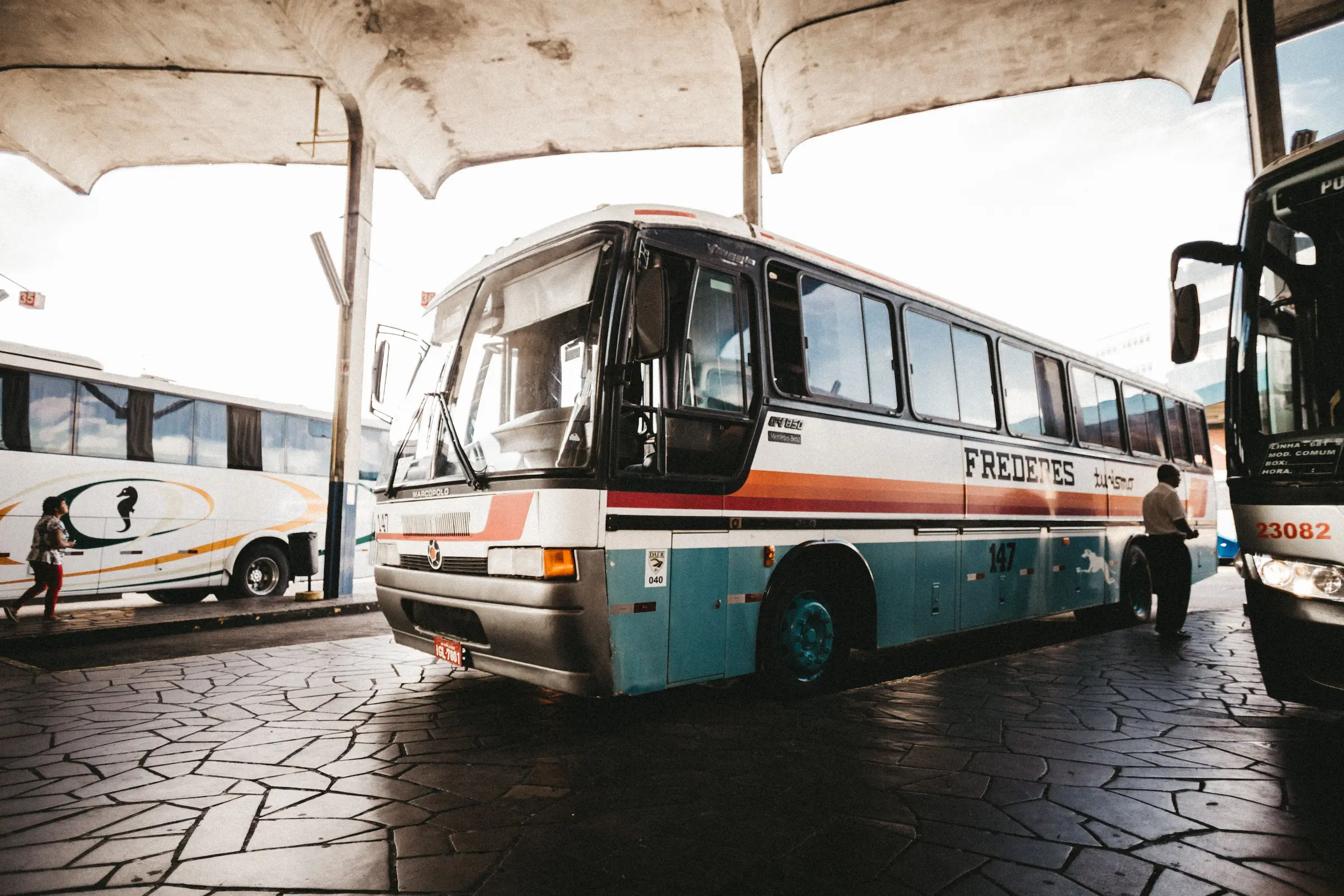
First-class buses cover most long routes between cities in southern Mexico.
Here is how the main transport options compare. Check current fares before you book.
| Option | Best for | Cost level | Watch out for |
|---|---|---|---|
| First-class bus | Long routes between cities | Low to medium | Cold air conditioning; book early on holidays |
| Second-class bus | Short hops and small towns | Low | Slower, with many stops |
| Colectivo (shared van) | Ruins, cenotes and nearby villages | Very low | Fixed routes and tight seating |
| Domestic flight | Long jumps, like Oaxaca to the Yucatán | Medium | Bag fees vary by fare |
| Ride-hailing app | City trips and late nights | Low to medium | Coverage and airport rules vary by city |
Mexico Travel Costs on $30 to $50 a Day
Mexico travel costs depend mostly on where you sleep. Outside Tulum, Cancún and Playa del Carmen, $30 to $50 a day works well. Dorm beds usually run about $10 to $25 a night. A comida corrida, the fixed lunch menu with soup, a main and a drink, often costs $4 to $8. Prices move with the peso, so check current prices before you go.
I found my favorite budget habit in a market in Oaxaca: one big comida corrida at lunch, then tacos or groceries at night. That pattern keeps me under budget almost anywhere.
For cash, use ATMs inside banks or shopping malls rather than standalone machines on the street. Always decline the offer to convert into your home currency. A card without foreign fees saves real money, and I explain how to pick one in my guide to the no foreign transaction fee debit card.
These are the money and comfort moves I use on every trip through Mexico:
- Carry small notes and coins. Markets, colectivos and street stalls often cannot break big bills.
- Refill, do not buy. Tap water is not considered safe to drink in most of Mexico, but many hostels offer purified water refills.
- Tip at sit-down restaurants. Around 10 to 15 percent is customary.
- Pay in pesos. Prices quoted in dollars in tourist zones usually come with a worse rate.
- Use apps at night. A set app price beats negotiating with a street taxi.
- Book buses early on holidays. Seats fill up around Easter week and Christmas.
- Sleep outside the hotspots. Bacalar, Valladolid and Oaxaca give you far more for your money than Tulum.
Is Mexico Safe for Tourists? My Honest Rules
Is Mexico safe for tourists? The honest answer is that it depends on where you go and how you move. The regions in this guide are well traveled, but safety varies between states and even neighborhoods.
Check official advice before you book. The UK government’s Mexico travel advice breaks down risks by state, and your own government likely publishes similar guidance. My personal rules are simple: no intercity driving at night, first-class buses for long routes, apps instead of street taxis after dark, and a phone that stays in my front pocket on the metro. If you are new to traveling alone, my solo travel tips cover the habits that keep me out of trouble.

Bacalar’s lagoon is the calmer, cheaper alternative to Tulum.
Mexico Travel Guide FAQ
Mexico travel costs for a backpacker run about $30 to $50 a day outside the big resort towns, using dorms, buses and local food. Tulum and Cancún cost much more, so check current prices.
It can be, if you plan by region. Check your government’s advice for each state, use first-class buses, avoid driving at night and use ride-hailing apps after dark.
Mexico City, Oaxaca, San Cristóbal de las Casas, Mérida, Valladolid and Bacalar give you a mix of culture, food, ruins and water.
Use first-class buses for most routes, colectivos for short hops, and a domestic flight if you want to skip a very long ride. Check baggage rules before you book a flight.
About 2 to 3 weeks for all five regions. With 10 days, pick either Mexico City and Oaxaca, or the Yucatán and Bacalar.
Common Traveler Mistakes in Mexico
The pitfalls I see most often, including a couple of my own.
Tap water is not considered safe to drink in most places. Stick to purified water, and use the refill jugs many hostels and shops offer.
Standalone machines are easier to tamper with. Withdraw cash inside a bank or mall during the day, and always choose to be charged in pesos.
I once planned Palenque to Mérida as a short hop. It took most of a day on the bus. Check real bus durations, not just the map.
Advice changes from state to state. Check official guidance for each region on your route, not just for the country as a whole.
Shops and tours in tourist areas often accept dollars at a poor rate. Pay in pesos and you keep the difference.
Final Verdict on This Mexico Travel Guide
Mexico gives budget travelers more for their money than almost anywhere I have been, if you look beyond the resort strip. My recommendation from this Mexico travel guide: start in Mexico City, eat your way through Oaxaca, cross Chiapas by night bus, base yourself in Valladolid for the Yucatán and finish in Bacalar. Give it 2 to 3 weeks.
Short on time? Pick one half of the country and go slow. Save this Mexico travel guide for your trip, then find more budget routes and tricks on the Travel Tricks homepage.