Italy Travel Guide: Naples to Venice by Train on 50 Euros a Day
This Italy travel guide takes you through Naples, Rome, Florence, Bologna and Venice on regional trains, bar-counter espresso and supermarket lunches, for around 50 euros a day outside peak summer. Most of Italy’s cost comes from avoidable mistakes: walk-up high-speed tickets, table service and sleeping on the most famous square in town.
I have backpacked Italy four times in seven years, twice in shoulder season and once, painfully, in August. What follows is the system that works: when to book, where to eat, which fees are legit and which are traps. All my Italy guides, from 10 days by train to 2 days in Florence, are collected on the Italy on a budget hub, and more routes built the same way live in the Travel Tricks itineraries vault.

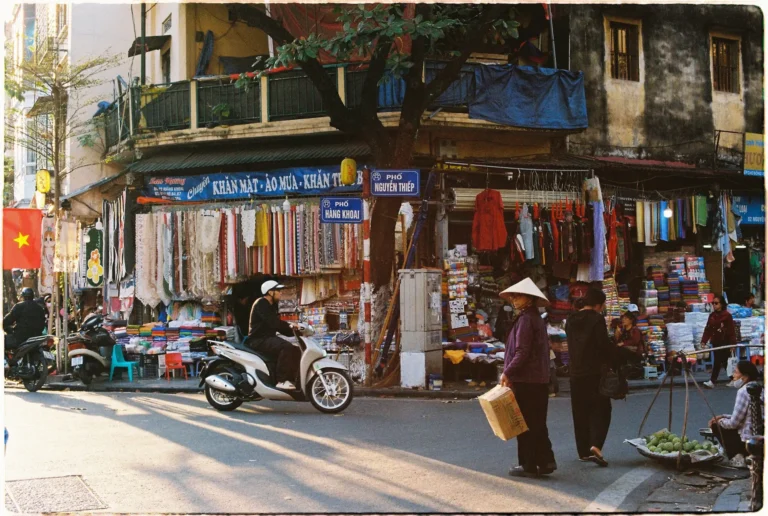
Trastevere in the morning, the Rome neighborhood this Italy travel guide sends you to for cheap eats.
Italy Travel Guide Basics: Cash, Cards and Entry Rules
Get these three things right and the rest of this Italy travel guide pays for itself.
Money Without the Markup
Italian businesses are legally required to accept cards, so tap for most things, but keep 30 to 50 euros in cash for tiny bars, market stalls and hostels that collect the city tourist tax in cash. That tax runs a few euros per person per night on top of your booking price. Withdraw from bank ATMs (not standalone Euronet machines), and whenever a card terminal or ATM offers to charge you in dollars or pounds, decline and pay in euros.
When to Go
April to early June and late September to October are the sweet spot: warm, walkable and cheaper beds. August is brutal. Cities hit the mid 30s°C, the coast is packed with domestic holidaymakers, and many family-run shops and trattorias close around Ferragosto in mid August.
Entry Rules
Italy is in the Schengen area, so US, UK and Canadian passport holders currently get 90 days in any 180 across the whole zone. The EU Entry/Exit System now records your fingerprints and photo at the border, and the ETIAS online travel authorization is due to follow, so check the official EU site before you fly.
Trains vs Buses: The Italy Travel Guide Transport Breakdown
Italy has two rail systems hiding inside one network. Regional trains (Regionale and Regionale Veloce) have fixed, cheap fares that never change and need no reservation. High-speed trains, run by Trenitalia’s Frecciarossa and the private Italo, use airline-style pricing: book two to four weeks out and fares can drop to a third of the walk-up price. Use this Italy travel guide table to pick the right option for each leg.
| Option | Best For | Typical Cost | Backpacker Tip |
|---|---|---|---|
| Regional train | Naples to Rome, Bologna to Venice | 10 to 15 euros | Validate paper tickets before boarding or check in on the app. |
| Frecciarossa or Italo (booked early) | Rome to Florence, Florence to Bologna | 15 to 30 euros | Compare both operators; the cheapest fares are non-refundable. |
| High-speed (walk-up) | Emergencies only | 50 euros and up | Take the slower regional train instead when time allows. |
| FlixBus or Itabus | Long jumps, night rides | 5 to 25 euros | Book early; stations are often on the city edge. |
| Rail pass | Very train-heavy trips | Pass plus reservation fees | Not valid on Italo and rarely beats early tickets. |
One rule matters more than any fare: an unvalidated regional ticket counts as no ticket, and inspectors fine on the spot. Stamp paper tickets in the machines on the platform, or use the check-in button in the Trenitalia app for digital regional tickets.
The 5-City Route, South to North
This Italy travel guide starts in the south, where money stretches furthest, and moves north as you learn the rhythm of Italian bars and trains.
Naples (3 Nights)
Naples is loud, chaotic and the cheapest city here. A proper margherita costs well under 10 euros at the classic pizzerias, and fried street snacks cost a few euros. Take the Circumvesuviana train to Pompeii for a day and carry your own lunch, because food near the ruins is overpriced.
Rome (4 Nights)
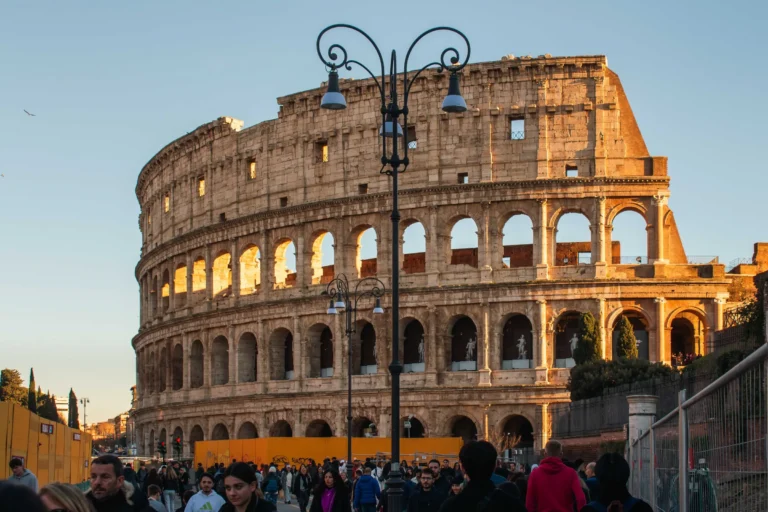
The regional train from Naples takes around two and a half hours. Sleep near Termini for cheap dorms, but eat in Testaccio and Trastevere. Book the Colosseum online well ahead, and time your visit for the first Sunday of the month when state museums and sites are free if you can handle the crowds. Refill your bottle at the nasoni, Rome’s free drinking fountains.
Florence (3 Nights)
Book the high-speed train early and you are there in about 90 minutes. Climb to Piazzale Michelangelo for the free sunset view, and buy lunch at Mercato Centrale’s ground floor stalls rather than the food hall upstairs. For a tight day-by-day plan, use my Florence 2 day itinerary and spend the third day on a regional train to Pisa or Lucca.
Bologna (2 Nights)
Bologna is Italy’s most underrated food city and far cheaper than Florence, 37 minutes away by high-speed train. Walk the porticoes, eat tortellini in brodo at a family trattoria, and join the student aperitivo scene, where one drink often comes with a free buffet.
Venice (2 Nights)
Sleep in Mestre, where hostels cost half the island price, and ride the 10-minute train across the lagoon. The Venice and its Lagoon UNESCO site is best at dawn before the day-trippers arrive. Venice charges day visitors an access fee on peak days; overnight guests are exempt but may still need to register online, so check before you go. Walk everywhere, because a single vaporetto ride costs close to 10 euros.
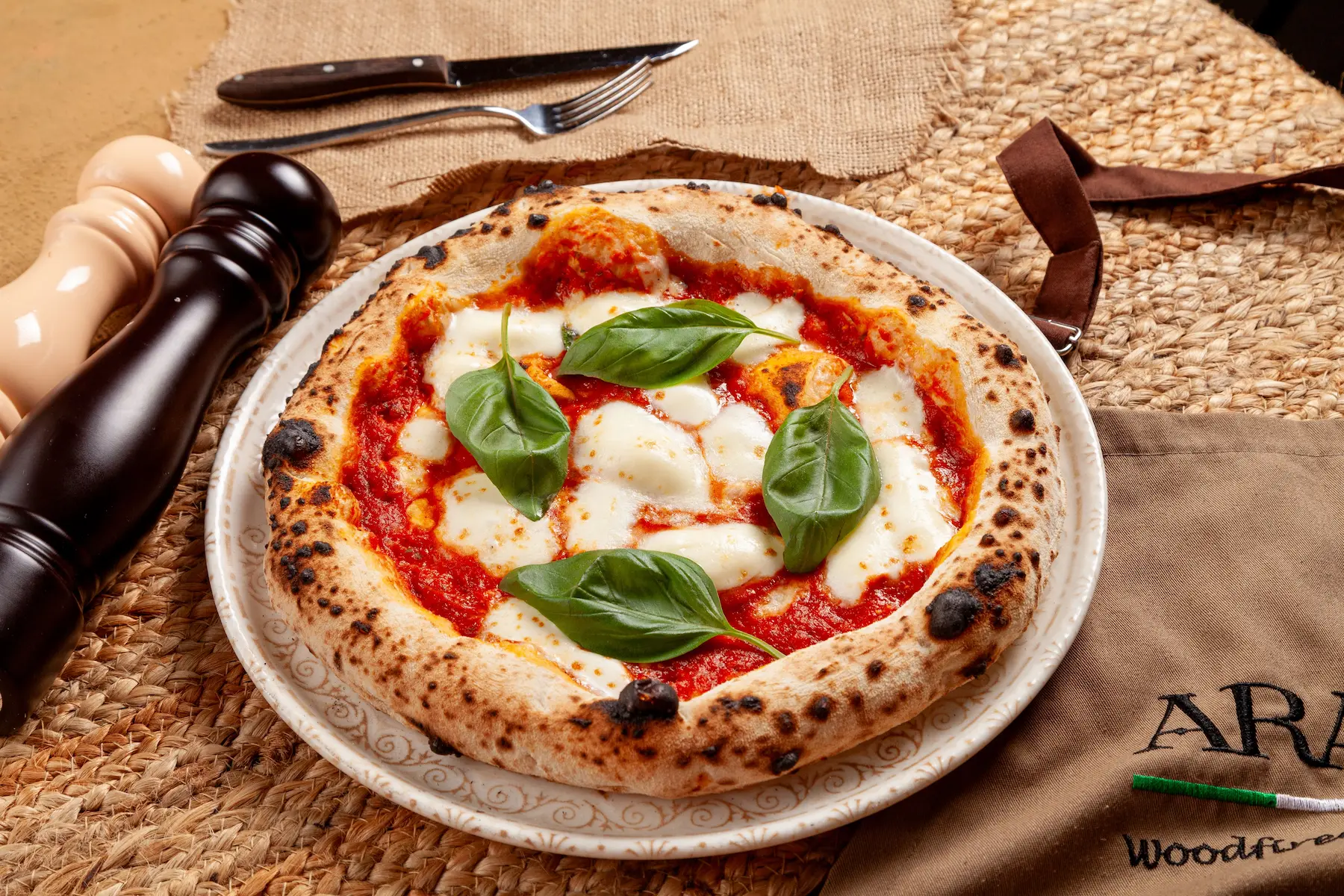
A Naples margherita, the best value meal in this whole Italy travel guide.
Eating Italian on 15 Euros a Day
The golden rule: stand at the bar. An espresso at the counter costs a euro or two, while the same cup at a table in a tourist square can cost five times more. For groceries, Coop, Conad, Lidl and Eurospin sell bread, prosciutto, cheese, fruit and wine for a fraction of restaurant prices, and many mark near-date items with discount stickers in the evening. It is the same late-evening sticker hunt I described in my Japan travel guide, just with mozzarella instead of bento. Here is how a normal day in this Italy travel guide breaks down:
- Breakfast at the bar: cornetto and cappuccino standing up for 2.50 to 3.50 euros.
- Lunch: pizza al taglio sold by weight, or a panino from a deli, for 5 to 8 euros.
- Dinner: supermarket pasta cooked in the hostel kitchen, or an aperitivo buffet, for 6 to 10 euros.
- Water: free from public fountains in Rome and most northern cities.
- Treat meal: a trattoria dinner once or twice a week, checking the coperto first.
Add a 25 to 40 euro dorm bed, around 10 euros of trains averaged across the trip, and a few euros for sights and tourist tax, and a normal day lands at 45 to 60 euros, about $50 to $65.
Most restaurants add a coperto (cover charge) of 1 to 3 euros per person, and some add a 10 to 15% servizio on top. Both are legal if printed on the menu. Tipping is not expected, so leave a coin or two at most. If a menu has no prices, photos in five languages and a waiter pulling people in from the street, keep walking two blocks.
Tourist Traps Every Italy Travel Guide Should Flag
Italy is safe for solo backpackers, but a few patterns cost careless travelers real money.
Pickpockets: Rome’s Termini station, Metro Line A and packed buses to the Vatican are hotspots. Wear your daypack on your front and keep your phone out of back pockets.
Street hustles: men tie friendship bracelets on your wrist near big monuments and then demand money, and costumed gladiators outside the Colosseum charge for photos. Keep your hands in your pockets and keep moving.
Rules with fines: sitting on the Spanish Steps, wading in fountains and eating on some church steps can bring fines. If you rent a car or campervan, never drive into a ZTL (limited traffic zone) in a historic center; cameras photograph your plate and the fine arrives months later.
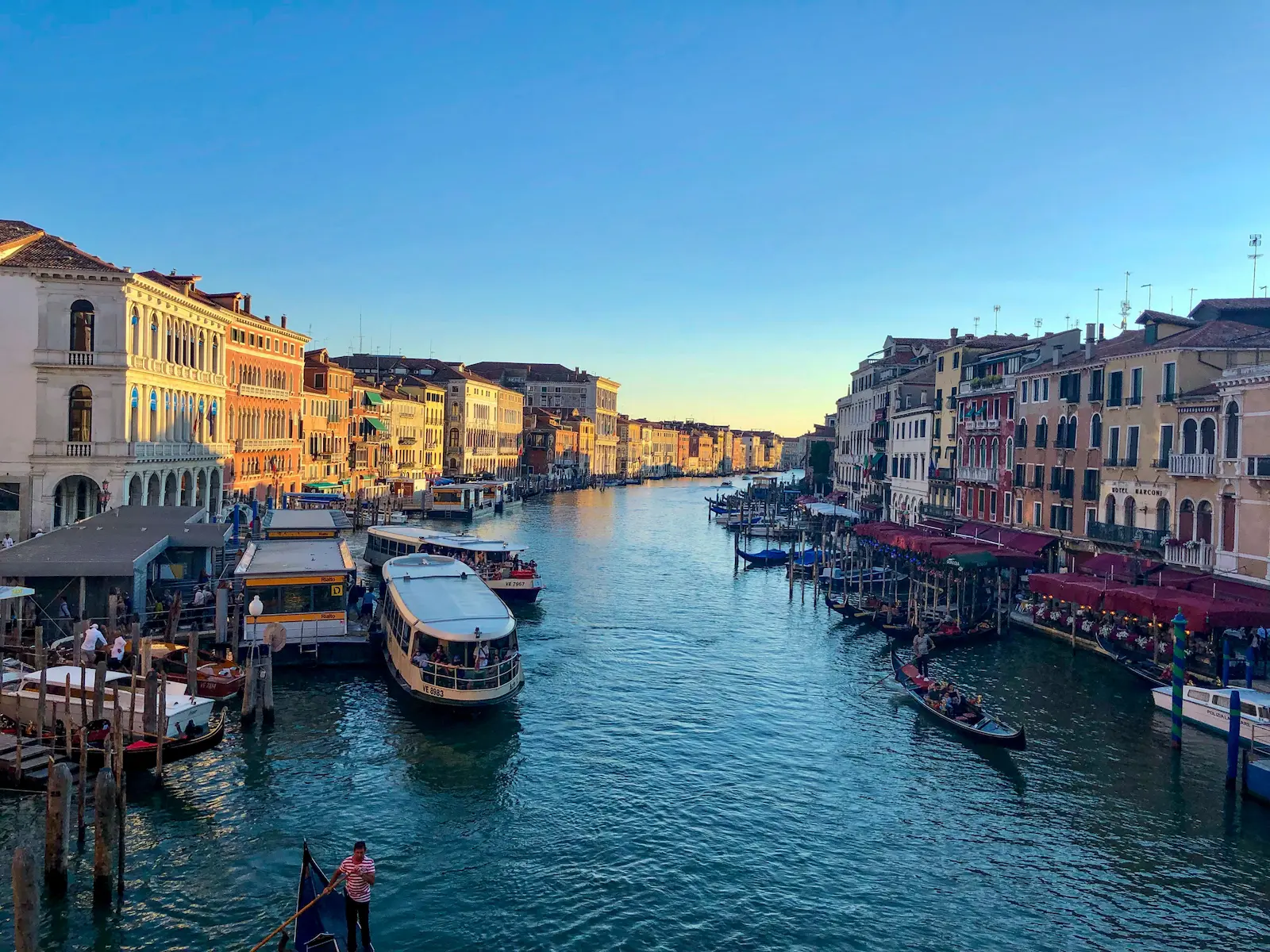
Golden hour over the Grand Canal, the final stop of this Italy travel guide route.
Italy Travel Guide FAQ
Outside peak summer, plan on 45 to 60 euros a day for a dorm bed, bar breakfasts, street lunches, supermarket or aperitivo dinners and regional trains. Rome, Florence and Venice cost more than Naples and Bologna.
Usually not. Regional trains have fixed cheap fares, and early Frecciarossa or Italo tickets often cost less than a pass plus the seat reservation fees it requires. Price your exact legs first.
Less than before, since shops must accept cards, but carry 30 to 50 euros for small bars, markets and the city tourist tax some hostels collect in cash. Use bank ATMs and always choose to be charged in euros.
April to early June and late September to October bring mild weather and lower hostel prices. August is hot, crowded on the coast, and many family-run shops close around the Ferragosto holiday in mid August.
This Italy travel guide route needs about 14 to 16 days to enjoy five cities without rushing. With ten days, drop Naples or merge Bologna into day trips from Florence.
Master Route Verdict
Run this Italy travel guide from south to north and you spend less in the cities where it is easy to save, then use that buffer where Italy is expensive. Book high-speed trains early, ride regional trains everywhere else, stand at the bar, cook from Coop and Lidl, and sleep in Mestre instead of Venice.
Save this Italy travel guide offline, carry a refillable bottle, and never sit down for a coffee in a famous square. Then head back to the Travel Tricks adventure hub and plan where the backpack goes next.