
Best Time to Book Flights: How Far Ahead Really Pays Off
The best time to book flights is usually 1 to 3 months ahead for short-haul trips and 2 to 6 months ahead for long-haul routes, with more lead time for holidays. The day you click “buy” matters far less than how early you book and which days you actually fly.
I learned that the expensive way. In my first year on the road, I believed in the magic Tuesday fare. Seven years and 40+ countries later, I book with a simple system instead of superstition.
This guide gives you that system: the booking windows I use, when to book international flights around peak season, the days that make flying cheaper, and one US rule that lets you lock in a fare with almost no risk. If you already know where you’re going, pair it with a route from the Itineraries Vault so your dates and flights line up from day one.
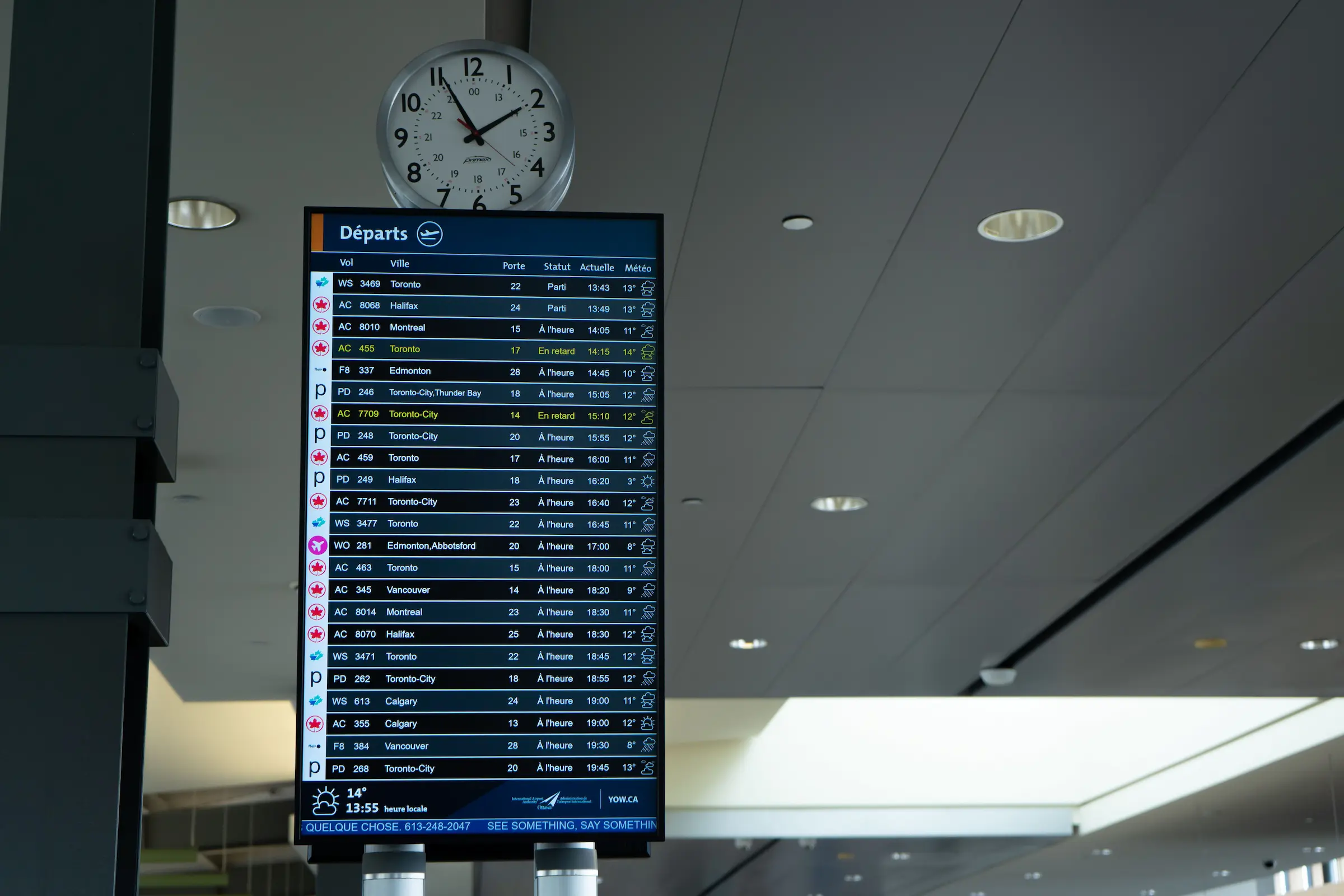
Timing, not luck, decides the best time to book flights for your route.
What’s Inside
The Best Time to Book Flights Is a Window, Not a Day
Airlines price seats dynamically. Fares move with demand, the season, how full the plane is and what competitors charge. That’s why there is no single best time to book flights for every route. There is a window where prices tend to be lowest, and your job is to book inside it.
Book too early and you may miss later sales. Book too late and the cheap seats are gone. Most of my best deals landed in the middle.
Short-haul and domestic flights
For flights under about four hours, I start watching roughly three months out and aim to book 1 to 3 months ahead. On busy routes with lots of competition, prices often stay fairly flat for weeks, then climb in the final few weeks before departure.
Budget carriers often sell their cheapest seats first and raise prices as the plane fills. If a low-cost fare looks good and your dates are firm, book it.
When to Book International Flights
For long-haul trips, I aim for 2 to 6 months ahead. When I flew to Southeast Asia for a long overland loop, I booked the long-haul leg about four months out. My price alert kept running afterwards, and it never dropped below what I paid.
If your route has only one or two flights a day, or uses a small airport, lean toward the early end of that window. Fewer seats means fewer cheap ones.
How Far in Advance to Book Flights for Peak Season
For peak dates, the best time to book flights moves earlier. Christmas, New Year, Easter, school holidays and the European summer all fill fast. For these dates, I start looking about six months ahead and aim to book 4 to 6 months out.
One December, I left my holiday flight until late November. The cheap fares had vanished, and I paid far more than the same route cost in shoulder season. Now I book festive flights before autumn even starts.
Local holidays that push up prices
Lunar New Year across East and Southeast Asia, Golden Week in Japan and Eid in Muslim-majority countries can push up regional fares and fill domestic flights. Check the local holiday calendar before you pick dates. For more ways to cut the fare itself, read my guide on how to find cheap flights.
Budget airline seat sales
Low-cost airlines run seat sales often, sometimes with little warning. Sign up for newsletters from the airlines that fly your region. When a sale drops on a route you already want, that’s often the best time to book flights on that carrier.
Is There a Cheapest Day to Book Flights?
The old advice says book on a Tuesday. Pricing today is automated and changes constantly, so any weekday booking effect is small compared with your booking window and travel dates.
The mistake I made early on was treating Tuesday like a law. I once watched a short European hop for three weeks, waiting for the “right” weekday. The fare only went up. Now, if a price sits inside my window and fits my budget, I book it that day.
So is there a cheapest day to book flights? Not one you can rely on. The best time to book flights depends on your window and travel dates, not the weekday. I break the weekday question down in full in my guide on the cheapest day to book flights.
The Cheapest Day to Fly Matters More
The days you depart and return usually move the price far more than the day you book. On many routes, Tuesday and Wednesday are cheaper than Friday and Sunday, when weekend and business travelers crowd in. Early morning and late night departures often cost less too.
Use a flexible date view. Google Flights has a date grid and price graph, and Skyscanner lets you search a whole month. Shift your trip by a day or two and compare. Moving a Sunday return to a Tuesday has saved me more than any booking-day trick.
Lock In a Fare With the 24-Hour Rule
If you’re flying to, from or within the US, there’s a useful safety net. The US Department of Transportation requires airlines to either hold a reservation at the quoted fare for 24 hours without payment, or let you cancel within 24 hours without penalty. It applies when you book at least seven days before departure. You can read the official DOT guidance on the 24-hour reservation requirement.
Airlines can choose which of the two options they offer, and third-party booking sites may add their own terms. Outside the US, many airlines give no free cancellation at all. Read the fare rules before you pay.
On a trip that started in the US, I booked a domestic leg, then spotted the same flight cheaper the next morning. I cancelled inside the 24 hours and rebooked at the lower fare. Now I do it on every eligible booking.
Travel Trick: Book, Then Watch for 24 Hours
When a fare lands in your target window, book it directly with the airline if a 24-hour or free cancellation policy covers you. Then keep your price alert running for one more day. If the fare drops, cancel and rebook. If it rises, you’ve already locked in the lower price. Confirm the cancellation terms on your booking before you rely on this.

A price alert and a flexible date grid do most of the work for you.
Best Time to Book Flights by Trip Type
Here’s how I plan the booking window for different trips. These are general patterns, not guarantees, so always check current prices on your route.
| Trip type | Start watching | Aim to book | Watch out for |
|---|---|---|---|
| Short-haul or domestic | About 3 months out | 1 to 3 months ahead | Prices often climb in the last few weeks |
| Long-haul or international | About 6 to 8 months out | 2 to 6 months ahead | Routes with few daily flights |
| Holidays and peak season | About 6 months out or earlier | 4 to 6 months ahead | School breaks and festivals |
| Budget airline routes | When a sale or schedule appears | As soon as the fare fits your budget | Bag and seat fees at checkout |
| Last-minute trips | Whenever you can | Straight away | Deals exist but are rare |
Flights are only one line in a trip budget. For the bigger picture, read my guide on how to travel on a budget.
My Flight Booking Checklist
Once you know the best time to book flights for your trip, this routine does the rest.
- Set price alerts early. Track your route as soon as your dates are rough, so you learn what a normal fare looks like.
- Pick a target price. After a few weeks of watching, choose a number and book when it appears.
- Compare the total, not the headline. Add bags, seat selection and airport transfers. Baggage rules differ by airline, so verify with your airline before flying.
- Stay flexible by a day or two. Check the cheapest day to fly in both directions.
- Book direct when you can. Changes and refunds are usually simpler with the airline itself.
- Pay in the local currency. If a site offers to charge you in your home currency, compare first. Its exchange rate can be worse than your card’s.

Booked in the right window, the fare stops being the stressful part of the trip.
Flight Booking FAQ
For most trips, book short-haul flights 1 to 3 months ahead and long-haul flights 2 to 6 months ahead. For holidays and peak season, aim for 4 to 6 months ahead. Always check current prices on your route.
Start watching about six months ahead and aim to book 4 to 6 months before you fly. Popular holiday dates fill early, and the cheapest seats usually go first.
Not reliably. Fares are priced dynamically and change often. The cheapest day to book flights matters far less than how far ahead you book and which days you travel.
A good rule for when to book international flights is 2 to 6 months ahead. Book toward the early end for peak season, festivals or routes with only one or two flights a day.
On many routes, Tuesday and Wednesday are cheaper than Friday and Sunday. It varies by route, so use a flexible date grid to compare before you book.
Common Traveler Mistakes When Booking Flights
I lost good fares chasing Tuesdays. Set a target price instead, and book the moment it appears inside your window.
A cheap headline fare can double once you add a bag and a seat. Compare the full price for how you actually travel.
If your plans might change, read the fare rules first. Sometimes a slightly pricier flexible fare is the cheaper choice overall.
A bargain into a far-off airport can cost you a taxi at midnight. Check the transfer price and whether buses run when you land.
Plenty of travelers swear by private browsing. I’ve never seen solid proof it lowers fares. Moving your dates by a day works far better.
The Verdict: When to Book Your Next Flight
The best time to book flights is inside a window, not on a magic day. Book short-haul 1 to 3 months out, long-haul 2 to 6 months out, and peak season 4 to 6 months out. Fly midweek when you can, compare total costs, and use the 24-hour rule whenever it covers you.
Once a fare is in your window and fits your budget, book it and stop checking. For more budget-first planning from the road, head back to the Travel Tricks homepage.