How to Travel on a Budget: 17 Proven Rules From 40 Countries
This is how to travel on a budget without sleeping rough or skipping the good stuff: pick cheap destinations, move by train and bus, sleep in dorms, cook one meal a day, and stop losing money to bank fees. After seven years and 40+ countries, these 17 rules keep me at $30 to $50 a day in most places.
None of this is about suffering. It is about spending on what matters and cutting what does not. Every rule below comes from real trips, and you can see them in action in the Travel Tricks itineraries vault.
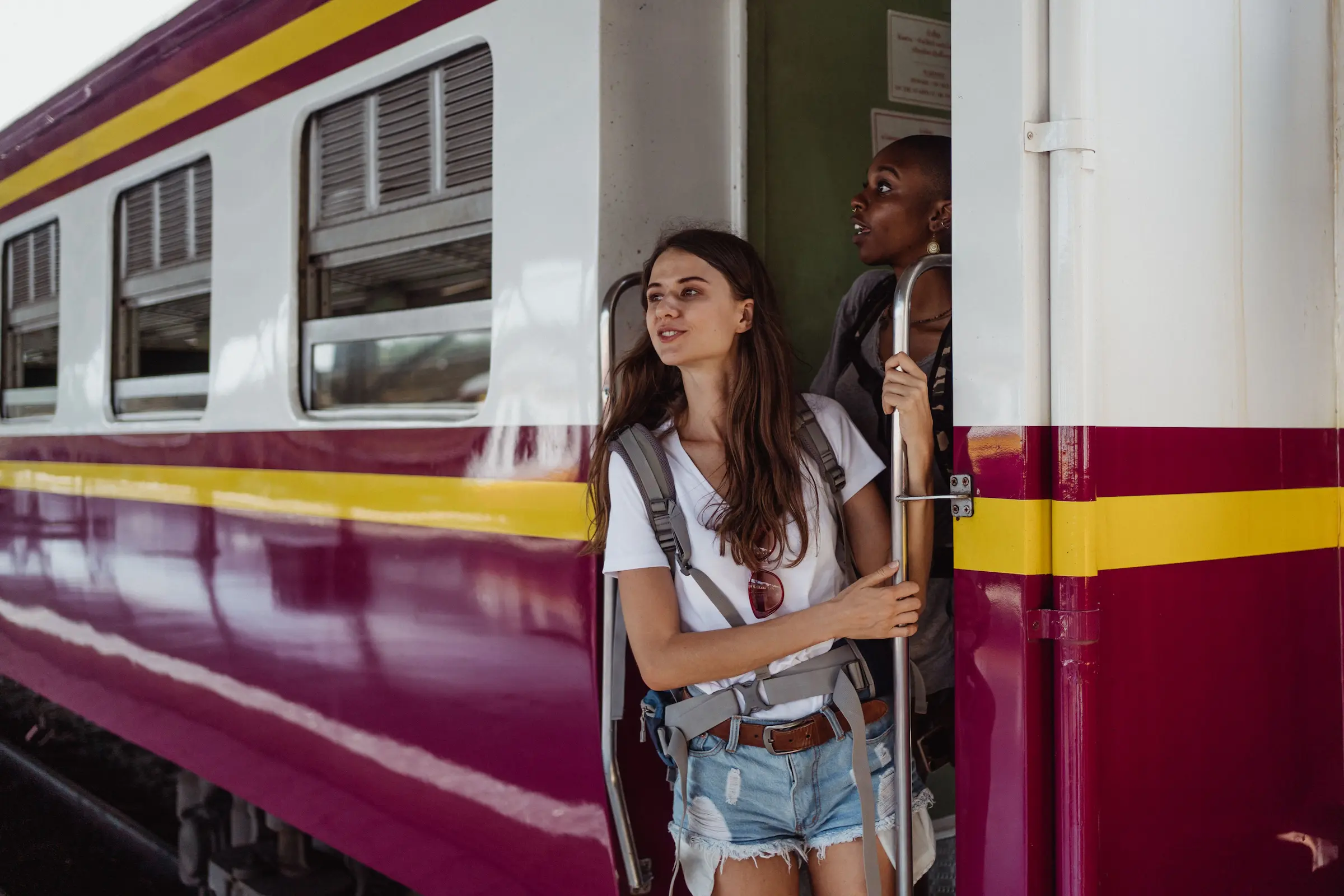
Slow trains are the heart of how to travel on a budget: cheap tickets and a free view.
What’s Inside
How to Travel on a Budget: Plan Before You Book
1. Choose Places by Daily Cost, Not Flight Price
A cheap flight means nothing if beds cost $60 a night. A $500 flight to Thailand often beats a $150 flight to Iceland over two weeks. Look at bed, food and transport prices first, then book the flight. This is the first rule of how to travel on a budget, and the one most people skip.
2. Travel in Shoulder Season
Spring and autumn usually bring lower bed prices and fewer crowds. Avoid big local holidays, like Golden Week in Japan or mid-August in Italy. Prices can double in those weeks.
3. Stay Flexible With Dates and Airports
Use the whole-month view on flight search sites and check nearby airports. Moving your trip by two days can save more than any coupon.
4. Book Open-Jaw Flights
Fly into one city and out of another, like into Tokyo and out of Osaka. You skip the long trip back to your arrival city and save a day of travel.
5. Check Entry Rules and Fees Early
Visas, online travel permits and tourist taxes can add up fast. Check the rules for your passport on an official site like the UK government’s foreign travel advice or your own government’s travel page before you book anything.
Get Around for Less
Transport is where many trips lose control of costs. Here is how to travel on a budget from city to city without wasting money or whole days on the road.
6. Price Rail Passes Against Single Tickets
Rail passes sound like a deal, but they often cost more than single tickets. In Japan, most classic routes are cheaper without the pass. In Italy, early high-speed tickets can cost a third of the walk-up fare. My Japan travel guide shows this math step by step.
7. Take Night Buses and Sleeper Trains
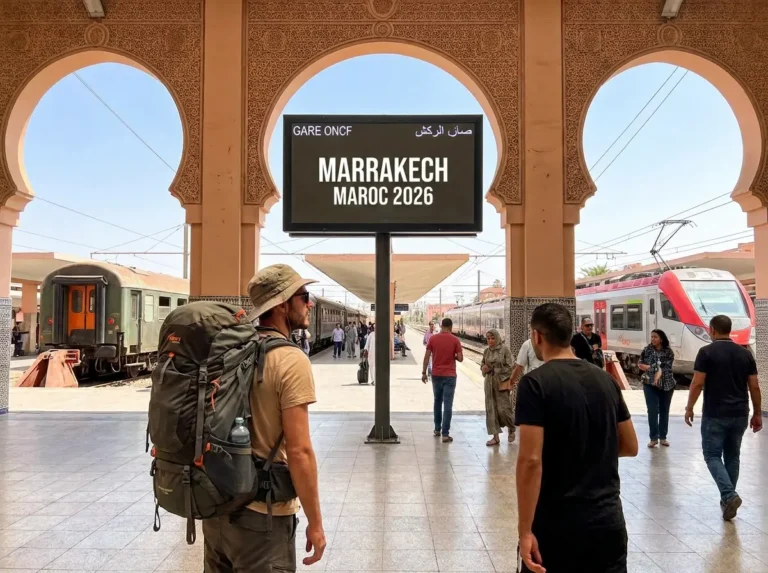
An overnight ride is transport and a bed in one ticket. The night bus from Fez to the Sahara in my Morocco travel guide saves a full night of accommodation. Thailand’s sleeper trains do the same.
8. Use Local Transport Cards and Apps
Load a transport card like Suica in Japan, and use apps like Grab or Bolt for fair taxi prices. You skip tourist taxis and pay what locals pay.
9. Pack Carry-On Only, but Read the Rules
One small backpack saves time and checked-bag fees on most airlines. On budget airlines like Ryanair or Wizz Air, only a small under-seat bag is free. Add the cabin bag when you book, because it costs more at the airport.
Travel Trick: Set a Daily Cap, Not a Trip Budget
A trip budget is easy to break in the first week. A daily cap, like $40, is easy to track. Spend less today and you can spend more tomorrow. Write it down every night in a notes app. It takes one minute and it changes everything.

Local markets are where how to travel on a budget gets tasty: full meals for a few dollars.
Sleep and Eat Cheap
Beds and food are your two biggest daily costs, so this is where budget travel tips pay off the most. Small changes here save more than any flight deal.
10. Sleep in Dorms, Capsules and Guesthouses
A dorm bed or capsule costs a fraction of a hotel room. Book your first night online, then ask about walk-in rates if you stay longer. Family guesthouses often beat hostels for private rooms. Backpacking on a budget does not mean dirty rooms, so read recent reviews and look for places with a kitchen and lockers.
11. Cook One Meal a Day
Supermarkets are the secret to eating well on a budget. Bonus in Iceland, BIM in Morocco and Coop in Italy sell bread, cheese, fruit and pasta for a few dollars. In Japan, evening discount stickers on supermarket bento can cut dinner in half.
12. Eat Your Big Meal at Lunch
Lunch set menus are often cheaper than dinner for the same food. Look for teishoku in Japan, food courts in Thailand and fixed-price lunch menus in Europe.
13. Never Buy Bottled Water All Day
Carry a refillable bottle. Rome has free drinking fountains, and Thailand has street refill machines that cost a baht or two. You save money and plastic.
Protect Your Money
Fees are the silent budget killer. They never feel big, but they can add up to hundreds of dollars on a long trip. Anyone learning how to travel on a budget should fix these four things before leaving home.
14. Use a Card With No Foreign Fees
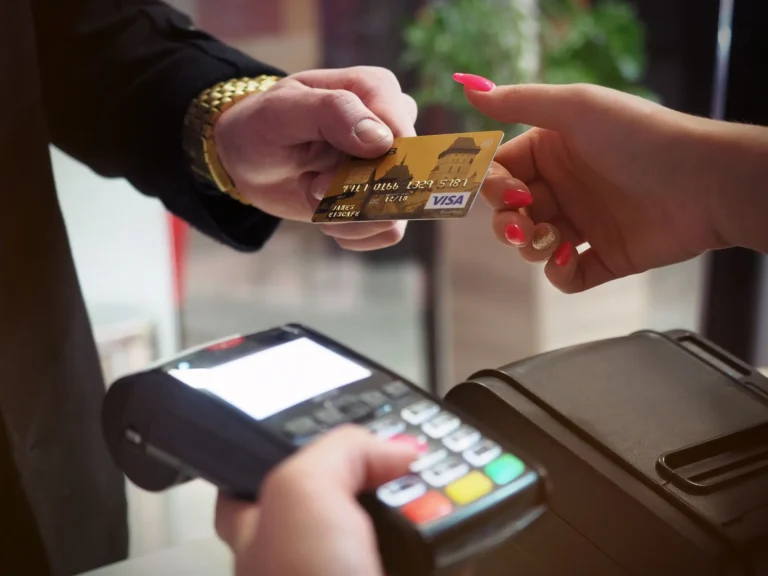
Many bank cards add 2 to 3% to every purchase abroad. A card with no foreign transaction fees fixes that. When a card machine asks which currency to use, always pick the local one.
15. Withdraw Less Often
Some ATMs charge a flat fee per withdrawal. In Thailand it is around 220 baht each time. Take out a larger amount once instead of small amounts every day, and keep it split between your wallet and your locker.
16. Track Every Dollar for the First Week
Most budgets break on small things: coffees, snacks and taxis. Track them for one week and you will see where the money goes. After that, it becomes a habit. Tracking is the most boring part of how to travel on a budget, and the most useful.
17. Find the Free Things First
Free viewpoints, parks, beaches and walking routes fill most of my days. Many museums have free days, like the first Sunday of the month at many state museums in Italy. Tip-based walking tours are a cheap way to learn a new city. Some of my best cheap travel days cost almost nothing at all.
Here is how I split a daily cap when I plan how to travel on a budget:
- Bed, about 40%: a dorm, capsule or cheap guesthouse.
- Food, about 25%: one cooked meal, one lunch set and street snacks.
- Transport, about 20%: local cards plus your share of longer trips.
- Fun, about 15%: one paid sight or activity, the rest free.
How to Travel on a Budget: Daily Costs by Country
This table shows how to travel on a budget in the countries I have covered on this blog. Prices are typical ranges, so check current prices before you book.
| Country | Typical Daily Budget | Biggest Cost | Best Saving Trick |
|---|---|---|---|
| Thailand | $20 to $40 | Islands and diving | Sleeper trains and street food |
| Morocco | $30 to $45 | Desert trips | Book the desert camp locally |
| Japan | $37 to $57 plus long trains | Shinkansen tickets | Night buses and supermarket dinners |
| Italy | $50 to $65 | Beds in big cities | Early train tickets and bar-counter coffee |
| Iceland | $50 to $75 | Car or campervan | Campsites and Bonus groceries |
Iceland shows that even pricey countries can work. The campervan route in my Iceland 5 day itinerary keeps costs far below tour prices.
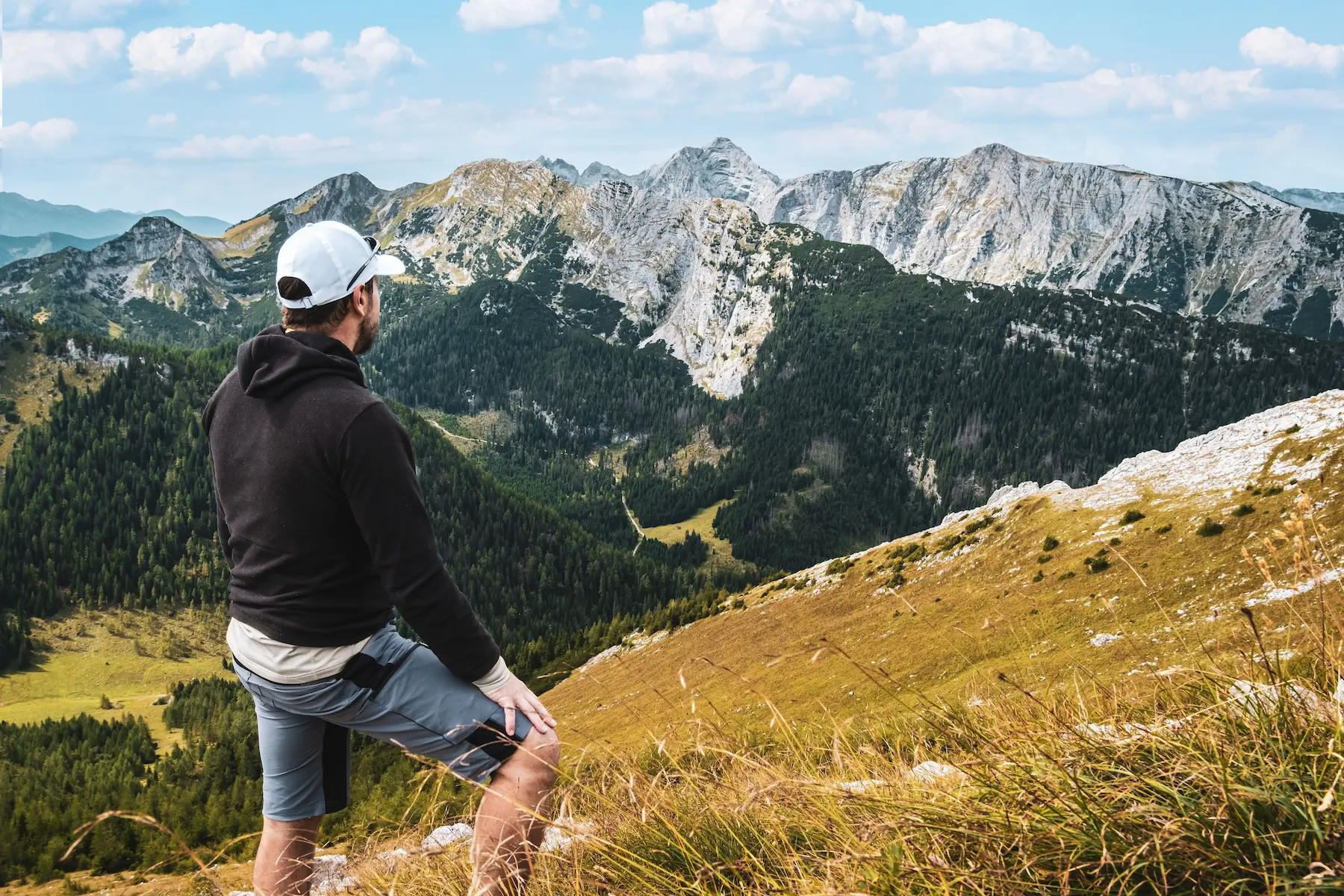
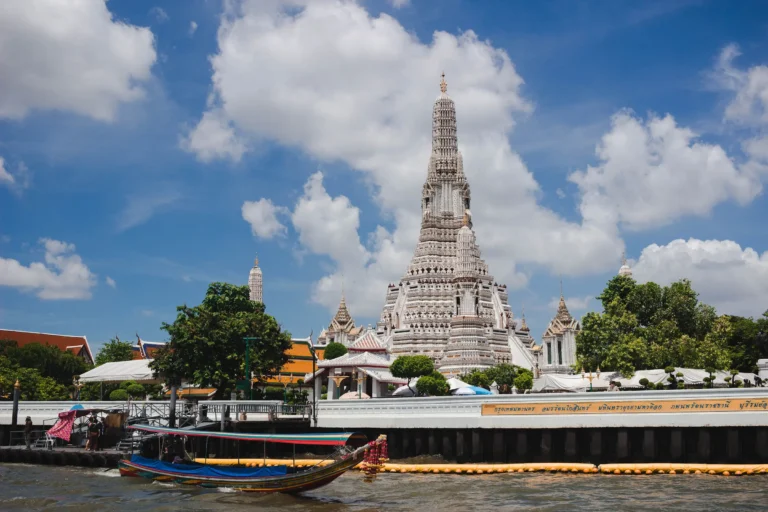
The best views are often free, which is the whole point of how to travel on a budget.
How to Travel on a Budget: FAQ
It depends on the country. Thailand and Morocco work on about $20 to $45 a day, while Italy, Japan and Iceland need about $40 to $75 a day, plus long-distance transport. Pick your destination first, then set a daily cap. That is the base of how to travel on a budget.
Regional trains and long-distance buses are usually cheapest. Overnight buses and sleeper trains save a night of accommodation too. High-speed trains are only good value when you book them early.
You pay nothing upfront, but guides work for tips. Plan to give around $5 to $15 per person if you enjoyed the tour. It is still one of the cheapest ways to learn a new city.
Usually not. Price your exact route in single tickets first. Passes only win if you ride long trains almost every day, and many need extra seat reservation fees.
Use a card with no foreign transaction fees, withdraw larger amounts less often, and always choose to pay in the local currency when a machine offers a conversion.
Final Verdict: Travel Longer, Spend Smarter
Learning how to travel on a budget is not about saying no to everything. It is about saying yes to the right things. Pick cheap places, move slowly by train and bus, sleep simple, cook once a day, and guard your money from fees.
Start with one rule on your next trip, then add another. Save this guide on how to travel on a budget, and find your next route at the Travel Tricks adventure hub.