Staying in a Hostel for the First Time: A Real Dorm Guide
Staying in a hostel is the cheapest way to get a bed, meet other travelers and keep a long trip affordable. The short version: pick a dorm with lockers, bring a padlock and earplugs, and be considerate after dark. I have slept in dorms across 40+ countries over 7+ years, and these 11 tips cover almost everything that surprises first-timers.
Many first-timers ask: are hostels safe for solo travelers? Mostly yes, if you use lockers and trust your gut. For routes that pair well with dorm beds, browse my Itineraries Vault.
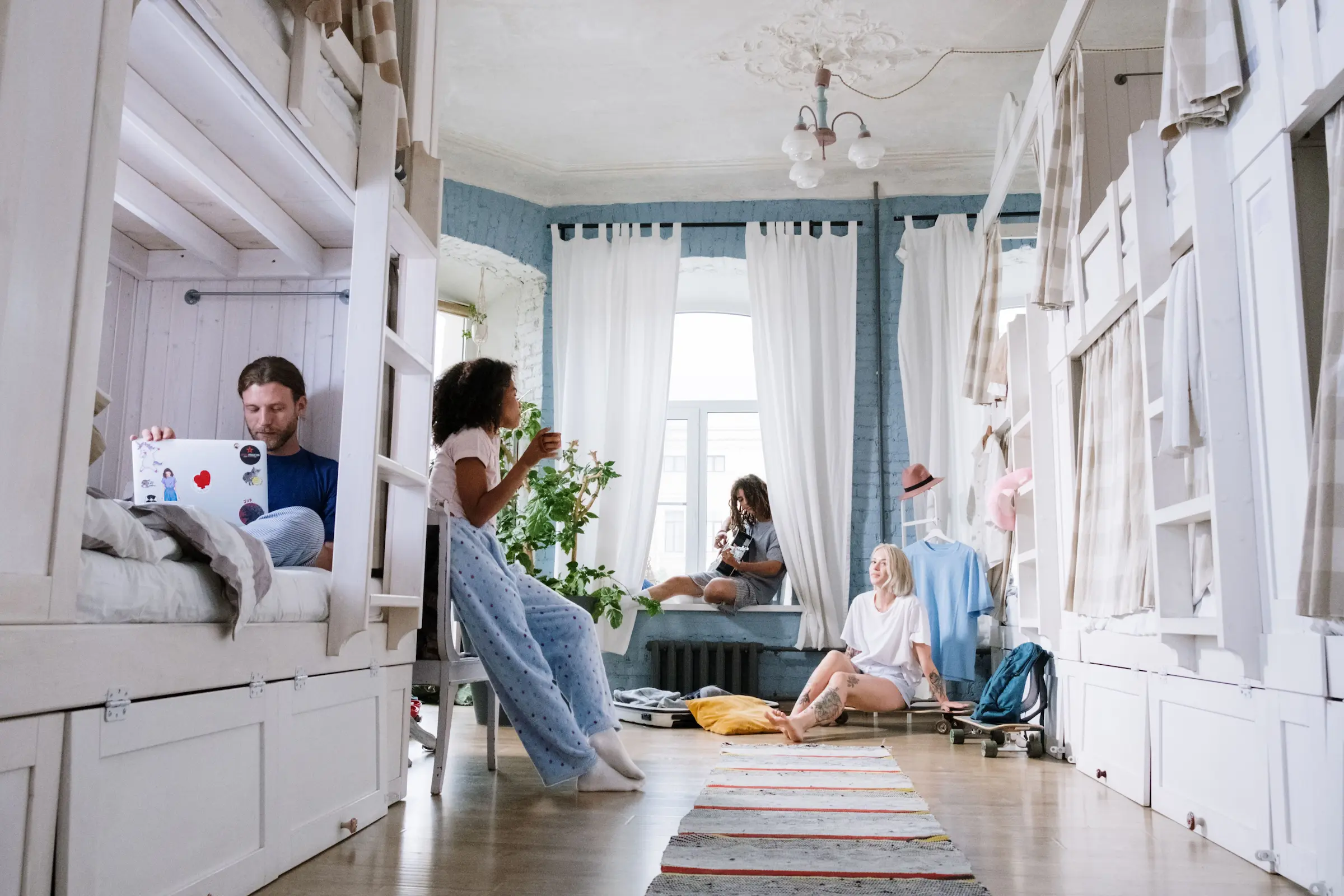
A tidy dorm with bunk beds and a locker is typical of staying in a hostel.
What’s Inside
- Staying in a Hostel: What to Expect on Day One
- Staying in a Hostel Safely: Locks, Lockers and Gut Checks
- Hostel Tips for Beginners: What to Pack
- How to Sleep in a Hostel Without Wrecking Your Trip
- Hostel Etiquette and Making Friends
- Choosing the Right Bed and Room
- Your Hostel Booking Checklist
- Frequently Asked Questions
- Common Traveler Mistakes
- Master Verdict: Book the Dorm, Pack the Padlock
Staying in a Hostel: What to Expect on Day One
Most hostels follow the same routine. You check in at reception, show your passport and get a bed number plus a key or code. Rules differ by hostel, so read your booking email before you arrive. Check current prices and policies on the booking page.
What to Expect in a Hostel Dorm
A dorm is a shared room with bunk beds. Most beds come with a locker and a reading light. Dorm sizes range from a few beds to many more, so pick a smaller room if you sleep lightly. Bathrooms are often shared, so bring flip-flops.
If you want to know what to expect in a hostel dorm at 6 a.m., the answer is rustling bags. On my first dorm night in Budapest I had no earplugs. A stranger’s snoring won. I bought a pair the next day, and they now live in my daypack.
Hostels also have common rooms, kitchens and noticeboards. Staff can often recommend cheap local food or hold your bag after checkout. Services differ, so ask at reception.
Check-In Times, Door Codes and House Rules
Check-in usually opens in the afternoon, and checkout is often in the morning. Times differ, so confirm them in your booking email. If you arrive late, message the hostel first so someone can let you in.
Some hostels lock the front door overnight and use a key card or a code. Others keep a night receptionist. Ask which system yours uses, and never share a door code with outsiders. Most hostels also post house rules near the entrance, so read them once.
Staying in a Hostel Safely: Locks, Lockers and Gut Checks
Safety in a dorm is mostly about your stuff and your habits. Security varies by hostel, so read recent reviews that mention lockers and door access before you book.
Are Hostels Safe for Solo Travelers?
Most are, and many solo travelers choose them for that reason. You have staff at reception and other guests nearby. Still, theft can happen wherever people share space. For wider advice, see my solo travel tips.
Bring your own padlock, because many hostels do not supply one . In Hanoi I reached my locker with no lock and had to hunt for one on a busy street. Now I carry two.
Lock away your passport, cards and spare cash. Keep your phone with you or locked up, and never leave it charging in a busy common room. If a bed sits right by the door, choose another. If someone makes you uneasy, tell staff. They handle problems every day.
You can browse member hostels on the Hostelling International website. Facilities and rules differ by hostel, so read each listing before you book.
What to Do If Something Goes Missing
Tell reception right away, and do not accuse anyone in the dorm. Staff can check lost property and advise you on next steps. Procedures differ by country, so ask what applies where you are.
In Krakow I left a charger in a common room and found it at reception the next morning. Most guests are honest, but lock up anyway. Keep photos of your passport and cards in cloud storage, so a loss stays an annoyance and never becomes a crisis.
Hostel Tips for Beginners: What to Pack
Good hostel tips for beginners start with the bag. Pack light, because you will climb stairs and change beds often. Five items earn their space: a padlock, earplugs, an eye mask, a quick-dry towel and flip-flops.
Add a small headlamp, or use your phone light, so you never flick on the main lights at night. Pack toiletries in a zip bag so you can wash fast in a shared bathroom. Some hostels charge for towels and sheets , so check the listing before you decide what to bring.
What to Leave at Home
Skip anything you cannot afford to lose. Expensive jewelry and bulky extras only add weight and worry. Outlets near your bed are not guaranteed, so bring a longer charging cable instead of extra gadgets. Packing light also makes every move between hostels easier.
How to Sleep in a Hostel Without Wrecking Your Trip
How to sleep in a hostel comes down to noise, light and timing. Wear earplugs and an eye mask. Arrive early so you can choose your bed. Ask for a bed by the wall, away from the door.
The mistake I made in Lisbon was taking a top bunk beside the door. Every late arrival woke me, and I climbed a ladder at 2 a.m. for the bathroom. Now I ask for a bottom bunk by the wall.
Many hostels set quiet hours, but they differ . Pack and unpack your bag before bed, not after lights out. If a roommate is very loud, ask politely once, then tell reception. Never argue at 3 a.m.
If you land on a night flight or a late bus, be kind to the room. Use your phone light and take only what you need from your bag. The next day, get outside into daylight and keep moving until evening. That helps you reset your body clock, and a good first night sets up the whole stay.
Hostel Etiquette and Making Friends
Common rooms and kitchens are where friendships start. Staying in a hostel means sharing both, so clean up after yourself. Wash your dishes, label your food and keep music in your headphones. Say hello when you enter the dorm. A simple greeting makes the room friendlier for everyone.
On a rainy evening in Porto I cooked pasta in the hostel kitchen. Three travelers joined me, and we swapped route tips until midnight. Cooking also keeps my daily spend near $30 to $50, which I break down in my guide on how to travel on a budget. Prices vary, so check current prices.
Shared Bathroom and Kitchen Rules
Keep showers short in busy morning hours and wipe the sink after you use it. In the kitchen, wash up straight away, because a pile of dishes annoys everyone. Write your name and bed number on your food, and clear out leftovers before you check out.
Some hostels have a free food shelf, but rules differ, so ask staff before you take anything. Good manners cost nothing, and they are what make staying in a hostel pleasant for everyone.
Travel Trick: The Bottom-Bunk, Wall-Side Rule
At check-in, ask for a bottom bunk against a wall, then use the locker closest to it. You skip the ladder, face less foot traffic and keep your valuables within arm’s reach. Arrive early, because these beds tend to go first.

Shared kitchens turn strangers into travel partners within a night.
Choosing the Right Bed and Room
Your room type shapes your stay. Prices vary by country and season, so check current prices before you book.
| Room type | Cost level | Noise level | Best for |
|---|---|---|---|
| Large dorm (8+ beds) | Lowest | High | Meeting people on a tight budget |
| Small dorm (4 to 6 beds) | Low | Medium | Light sleepers on a budget |
| Women-only dorm (where offered) | Low | Medium | Extra comfort and peace of mind |
| Private room | Low to mid | Low | Rest days and couples |
Decision rule: if you want friends on a tight budget, choose a larger dorm. If you sleep lightly, choose a small dorm or a private room. If you want extra comfort, look for a women-only dorm where offered.
Your Hostel Booking Checklist
Before staying in a hostel, run through this list.
- Read recent reviews that mention security, cleanliness and noise.
- Check for lockers and whether you need your own padlock.
- Confirm check-in hours, especially if you arrive late.
- Look for a kitchen if you plan to cook.
- Check whether sheets and towels are included.
- Choose a smaller dorm if you sleep lightly.
- Check the cancellation rules before you pay.
- Save the hostel address offline.
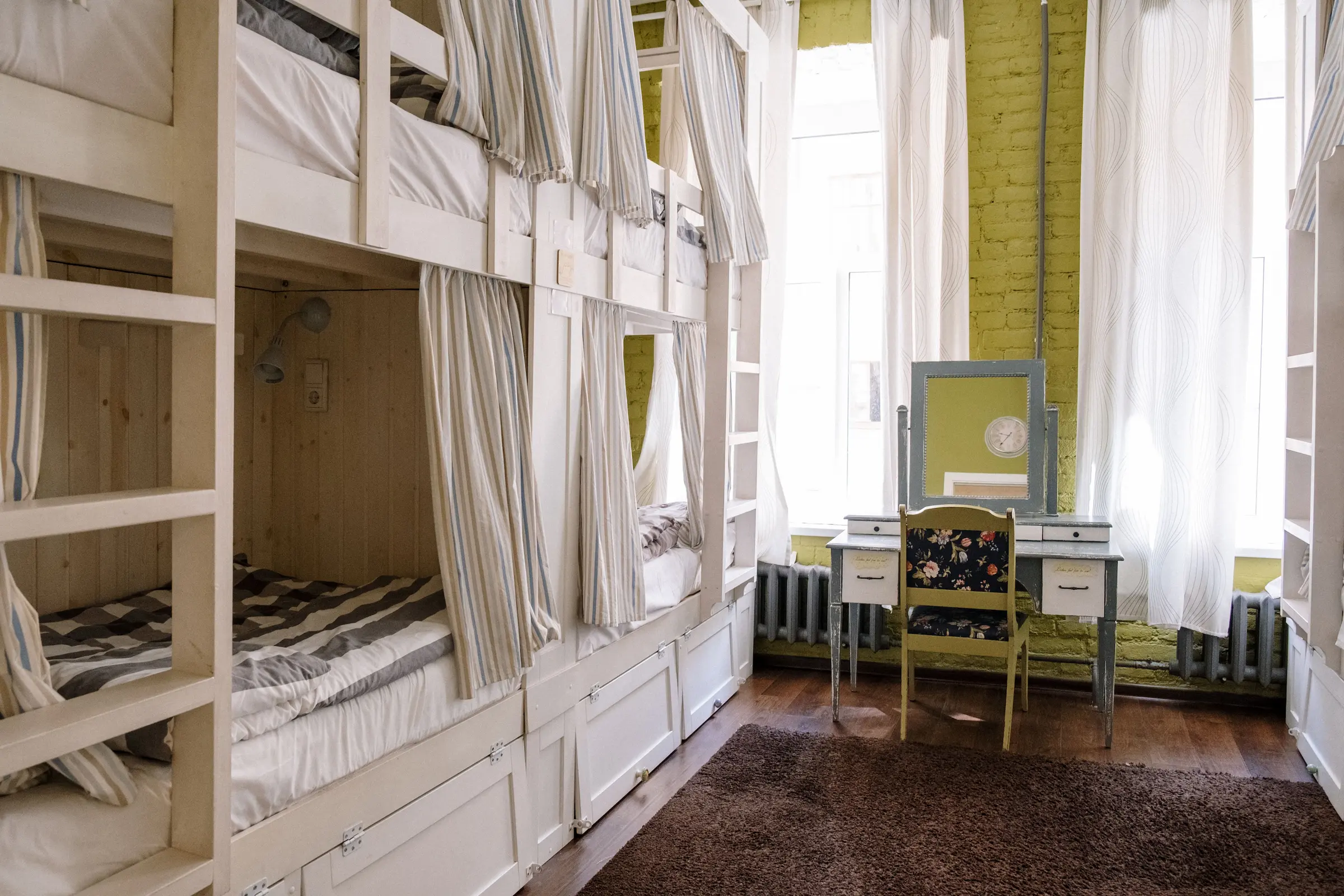
A good night’s sleep is the goal that makes every other tip worth it.
Frequently Asked Questions
Yes, staying in a hostel is worth it if you want low costs and easy company. Choose a private room if quiet matters more than price.
Mostly yes. Use lockers, read recent reviews about security and trust your gut. Safety varies by hostel and city, so check current reviews and official travel advice.
Expect bunk beds, shared bathrooms, lockers and some noise. Bring earplugs, a padlock and a towel, and check each listing for its rules.
Use earplugs and an eye mask, pick a bottom bunk by the wall and choose a smaller dorm. Arrive early to get the best bed.
Read recent reviews, bring a padlock, pack earplugs, pick a social hostel and stay considerate after dark.
Common Traveler Mistakes
Most hostel problems come from a few repeat habits.
Many lockers need your own lock. Carry one, plus a spare, so your valuables never sit loose on the bed.
Savings vanish if you cannot sleep. If you are a light sleeper, pay a little more for a small dorm or a private room, and check current prices.
A phone or wallet on a bunk invites trouble. Lock it away or keep it on you, especially while you shower.
Plastic bags wake a whole room. Pack the night before, use cloth bags and keep your headlamp low.
Master Verdict: Book the Dorm, Pack the Padlock
Staying in a hostel is the best value move for most solo and budget travelers. If you are new, book a small dorm with lockers and good recent reviews. If you sleep badly, take a private room or pack a sleep kit. If money is tight, choose a hostel with a kitchen.
Ready for your next trip? Explore every guide on Travel Tricks and pick your route.