Japan Travel Guide: Tokyo to Hiroshima on About $50 a Day
This Japan travel guide shows you how to do Tokyo, Kyoto, Osaka and Hiroshima for about $45 to $50 a day plus long-distance trains, without living on instant noodles. Japan is not the budget killer people claim. It punishes lazy planning: the wrong rail pass, peak-week hotel prices and sit-down meals three times a day.
I have spent five months in Japan across four trips, sleeping in capsules, riding night buses and learning exactly when supermarket bento drop to half price. Everything below is the system I use now. For more routes built on the same budget logic, browse the Travel Tricks itineraries vault.
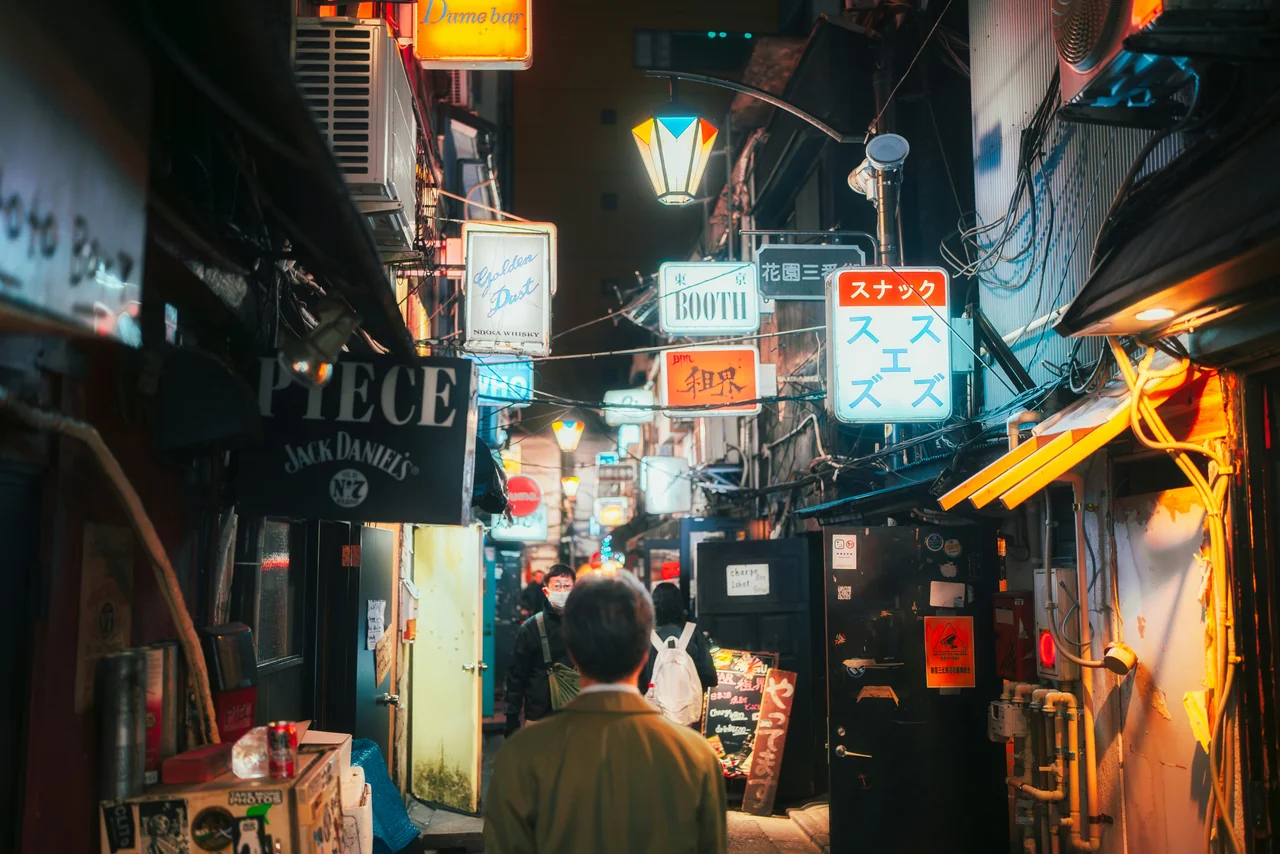
Shinjuku after dark, the first night of almost every Japan travel guide route.
Japan Travel Guide Basics: Cash, eSIMs and Timing
Sort these three things before you leave the airport and the rest of this Japan travel guide gets easier.
Cash Still Matters
Chains, train stations and konbini take cards, but ramen counters, shrines, sento and rural buses often want cash. The 7-Eleven and Japan Post ATMs accept most foreign cards, so withdraw a large amount once to limit fees and keep around 10,000 yen on you. At roughly 150 yen to the US dollar (check the live rate), 1,000 yen is about $6.50, which makes quick mental maths easy. Tipping does not exist here; leaving change can actually confuse staff.
eSIM and IC Cards
Install a data eSIM before you fly so maps work the moment you land. Then add Suica or PASMO to Apple Wallet, or pick up a Welcome Suica at the airport, which needs no deposit and lasts 28 days. One tap covers subways, JR local trains, most buses, lockers and konbini purchases across the country, including Kansai where ICOCA is the local card.
When to Go and Entry
Late March to early April (cherry blossom) and November (autumn leaves) are stunning and expensive. For value, target late May, early June or late October. Skip Golden Week (late April into early May), Obon in mid August and the New Year break, when domestic travel explodes. The rainy season runs roughly June to mid July outside Hokkaido. US, UK and Canadian passport holders currently enter visa-free for up to 90 days; fill in Visit Japan Web beforehand for faster immigration and customs QR codes, and check whether Japan’s planned online travel authorization has launched.
Rail Pass Math: The Japan Travel Guide Transport Playbook
The nationwide Japan Rail Pass became far more expensive after its price increase, and it no longer covers Nozomi Shinkansen trains without a paid supplement. For the classic Tokyo, Kyoto and Osaka triangle, individual tickets now almost always win. My Japan 10 day itinerary prices that exact route leg by leg if you want the day-by-day version.
Use this Japan travel guide table to match each leg to the cheapest sensible ride. Figures are typical ranges, so check current fares before you book.
| Option | Best For | Typical Cost | Backpacker Tip |
|---|---|---|---|
| 7-day Japan Rail Pass | Daily long Shinkansen legs | About 50,000 yen | Only worth it for routes like Tokyo to Hiroshima and back within a week. |
| Individual Shinkansen ticket | One or two fast jumps | About 14,000 yen Tokyo to Kyoto | Buy non-reserved seats for flexibility on busy days. |
| Overnight highway bus | Tokyo to Kyoto or Osaka | 4,000 to 8,000 yen | Saves a night of accommodation; bring an eye mask. |
| Seishun 18 ticket | Slow travel in holiday seasons | From about 10,000 yen for 3 days | Local and rapid JR trains only; days must be consecutive. |
| Regional JR pass | Kansai and Hiroshima loops | Varies by region | Compare against your exact legs before buying. |
| IC card (Suica, PASMO) | City subways and buses | 170 to 400 yen per ride | Top up with cash at any station machine. |
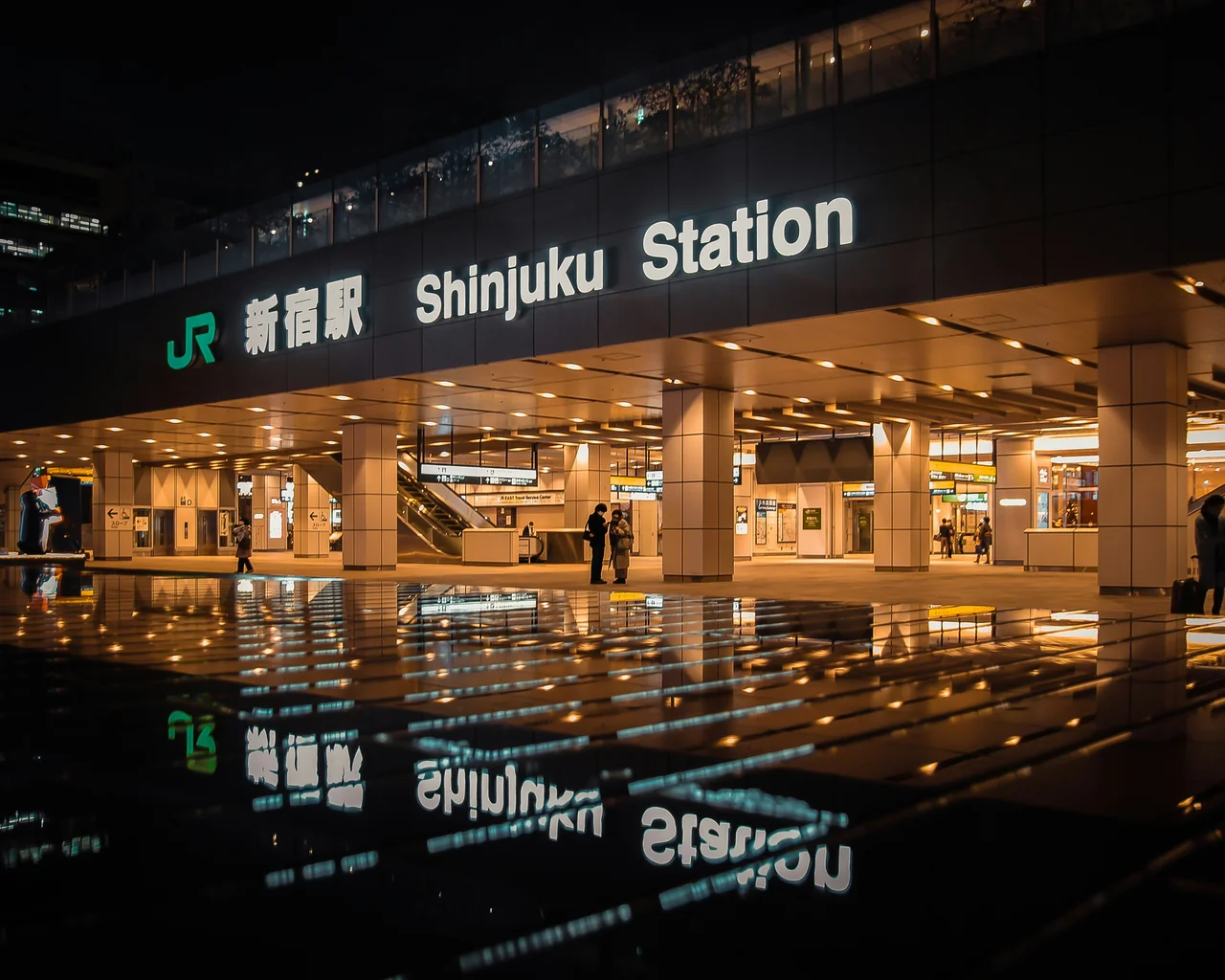
One Shinkansen ride can cost two days of living, so this Japan travel guide rations them.
Capsules, Hostels and Business Hotels
Beds are the biggest daily cost. A dorm or capsule runs roughly 3,000 to 5,000 yen in Tokyo and Kyoto, climbing in cherry blossom season. Capsule hotels are clean and quiet but usually have no kitchen and limited space for a big pack, so ask about luggage storage. Hostel chains with shared kitchens save the most money over a long stay.
When you need a private room, business hotels like Toyoko Inn, APA or Dormy Inn are the move. Dormy Inn adds public baths and a free late-night bowl of ramen, which basically covers a meal. Book sakura and autumn dates two to three months out; walk-in deals in Japan are rare.
Eating Well on 2,500 Yen a Day
Konbini food in Japan is genuinely good, and supermarkets are even better value. The real trick is the evening discount sticker: after around 7pm, supermarkets like Life, Aeon and OK Store start marking bento, sushi packs and fried chicken down 20 to 30%, then half price (look for 半額) near closing. It is the same cook-once, shop-local system I used in my Morocco travel guide, just with better sashimi. Here is how a normal day in this Japan travel guide breaks down:
- Breakfast from the konbini: two onigiri and a coffee for 400 to 500 yen.
- Lunch set: gyudon at Sukiya, Matsuya or Yoshinoya, or a teishoku set, for 500 to 900 yen.
- Dinner from the sticker aisle: a half-price bento and salad for 400 to 700 yen.
- Treat meal twice a week: conveyor belt sushi at Sushiro or Hama Sushi for around 1,500 yen.
- Drinks: refill a bottle at stations and skip vending machines at 160 yen a pop.
Add a 3,000 to 5,000 yen bed, 500 to 800 yen of local transit and a 550 yen sento soak, and a full day lands between roughly 5,500 and 8,500 yen. That is about $37 to $57, with most of my days settling near $45.
Entry fees stack up fast. The Tokyo Metropolitan Government Building observation decks in Shinjuku are free, Fushimi Inari in Kyoto is free and open all night, and Nara Park costs nothing unless you buy deer crackers. Pick one paid temple per city and fill the rest of the day with free shrines, markets and neighborhood walks.
A Two-Week Route Skeleton
Tokyo for four nights covers Shinjuku, Asakusa, Shimokitazawa and a day trip to Kamakura on local trains. For a sight-by-sight plan of the city grouped by train line, see my 3 days in Tokyo budget itinerary. Then take the highway bus from Busta Shinjuku to Kawaguchiko, about two hours, for a night under Mount Fuji. Continue to Kyoto for three nights; the city’s temples form the Historic Monuments of Ancient Kyoto UNESCO listing, so start Fushimi Inari before 7am to beat the crowds. Kyoto’s old bus day pass is gone, so walk, rent a bike or tap your IC card.
Nara works as a day trip from Kyoto on the JR or Kintetsu line. Osaka gets two nights for Dotonbori street food and cheap izakaya. Finish in Hiroshima: the Peace Memorial Museum costs about 200 yen and deserves a full morning, and the ferry to Miyajima is covered by the JR pass or cheap with an IC card, plus a 100 yen island visitor fee. Any Japan travel guide that skips Hiroshima to save a train fare is getting the priorities wrong.
Etiquette Rules Every Japan Travel Guide Should Spell Out
Japan forgives foreigners a lot, but these habits get noticed.
On trains: no phone calls, keep your voice low, and wear your backpack on your front in crowds. Queue at the marked lines on the platform. Stand on the left of escalators in Tokyo and on the right in Osaka.
Trash and eating: public bins are rare, so carry a small bag and use konbini bins. Eating while walking is frowned on in many places; finish your snack beside the shop.
Baths and shoes: wash thoroughly before entering any onsen or sento, keep your small towel out of the water, and check the tattoo policy first. Shoes come off in ryokan, temples and some restaurants, and toilet slippers stay in the toilet.
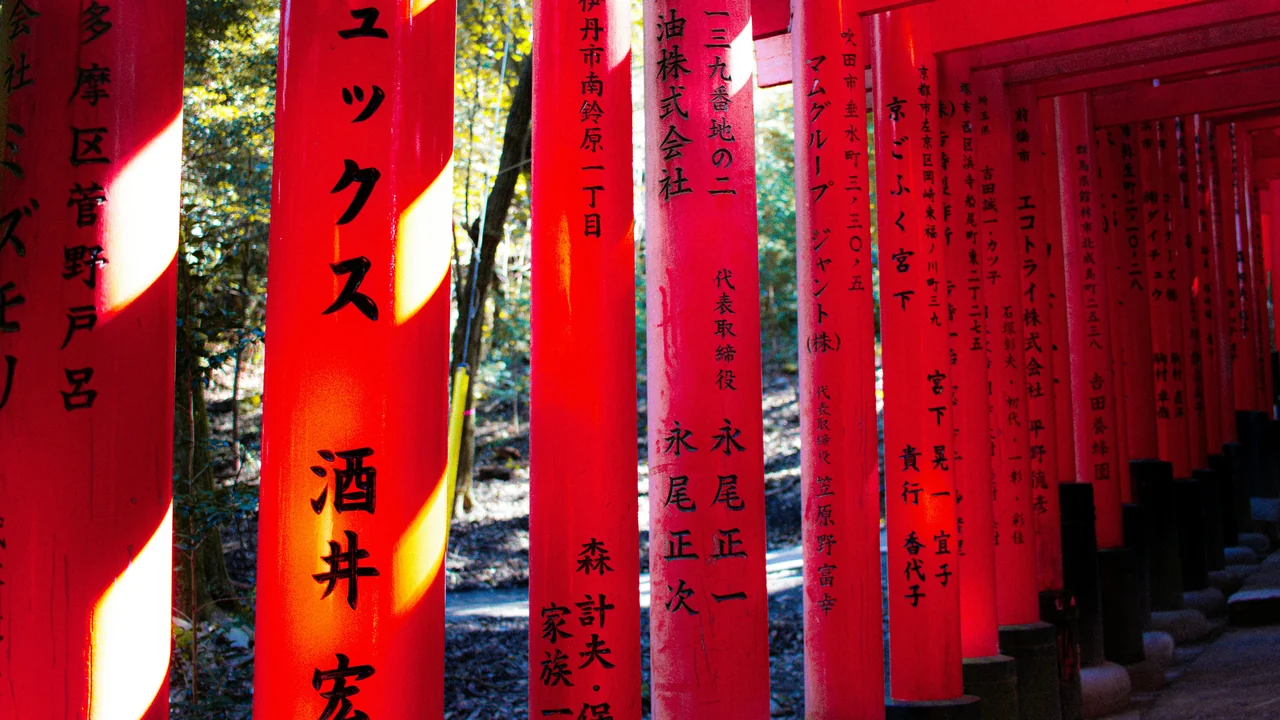
Fushimi Inari at dawn, the free highlight of this Japan travel guide.
Japan Travel Guide FAQ
Rarely, for a standard Tokyo, Kyoto and Osaka trip. After the big price increase, the 7-day pass only pays off if you ride long Shinkansen legs almost daily, such as Tokyo to Hiroshima and back. Price your exact route in individual tickets first.
Plan on 6,000 to 8,000 yen a day for a dorm or capsule bed, konbini and supermarket food, one sit-down meal and local transit. Budget long-distance trains separately, because one Shinkansen ride can equal two full days of living costs.
Yes. Cards work in most chains, but small restaurants, shrines, sento and rural buses still want cash. Withdraw yen at 7-Eleven or Japan Post ATMs, which accept most foreign cards, and carry around 10,000 yen at all times.
Late May to early June and November outside the peak foliage weekends offer the best balance. Avoid Golden Week, Obon in mid August and the New Year holidays, when domestic travel spikes and hostel prices double.
Yes, but many onsen and some sento still ban visible tattoos. Cover small ones with a patch, search for tattoo-friendly baths, or book a private bath. This Japan travel guide recommends asking at the front desk before paying.
Master Route Verdict
Follow this Japan travel guide and the country costs far less than its reputation. Skip the nationwide rail pass unless your route truly demands it, sleep in capsules and business hotels, eat from konbini and the evening sticker aisle, and spend your yen on one great meal and one paid temple per city.
Save this Japan travel guide offline before you land, load your IC card, and keep 10,000 yen in cash. Then head back to the Travel Tricks adventure hub and plan where the backpack goes next.