
No Foreign Transaction Fee Debit Card: What Really Matters
A no foreign transaction fee debit card removes the 1% to 3% surcharge many banks add to every purchase and withdrawal in another currency. It does not, on its own, make ATMs free, and that gap is where most travelers still lose money.
After 7+ years and more than 40 countries of pulling cash from every kind of machine, I judge travel cards on five checks, not one. Here are those checks, plus how I dodge ATM fees on the ground. If you’re still choosing where to go, grab a route from the Itineraries Vault first, then sort out your money.

A no foreign transaction fee debit card handles purchases well. ATM fees are a separate fight.
What’s Inside
What a No Foreign Transaction Fee Debit Card Covers (and What It Doesn’t)
When you pay or withdraw abroad, up to four separate costs can land on the same transaction.
The foreign transaction fee. This is your bank’s percentage charge on anything processed in a foreign currency, and sometimes on purchases from foreign merchants. A typical debit card foreign transaction fee sits around 1% to 3% . This is the only fee the label promises to remove.
Your bank’s ATM fee. Many banks charge a flat fee for using any machine outside their own network. A foreign ATM is always outside it.
The ATM operator fee. The machine’s owner charges this one, and your bank cannot stop it. The best your bank can do is refund it.
The exchange rate markup. This one hides inside the rate itself, often through a trick called dynamic currency conversion.
On my first long trip, I carried my regular hometown bank card. Every withdrawal cost me a 3% fee plus a flat out-of-network charge, before the local machine even took its cut. I only noticed a month later. That month of small withdrawals cost me about two nights of dorm beds.
So a no foreign transaction fee debit card is the starting line, not the finish line.
5 Checks for the Best Debit Card for International Travel
These five checks tell you whether it actually is. Fees like these are the silent budget killers I warn about in my guide on how to travel on a budget. Run the checks on your current card first. You might not need a new one.
Check 1: Zero Debit Card Foreign Transaction Fee, in Writing
Don’t trust the marketing page. Find the bank’s full fee schedule, usually a PDF linked in the account terms or the site footer. You want to see 0% or none next to both purchases and ATM withdrawals. Watch for accounts that waive the fee on card payments but still charge it on cash.
Check 2: A Debit Card With No ATM Fees Abroad
The gold standard is a debit card with no ATM fees abroad that also refunds what the machine’s owner charges. Some accounts refund every operator fee. Others refund up to a monthly cap. Many refund nothing at all. Read the exact wording, because no ATM fees often only means your bank won’t add its own.
On my first night in Bangkok, I learned that most Thai ATMs charge foreign cards a flat fee of roughly 220 to 250 baht per withdrawal . My card at the time didn’t refund it, so I started taking out the maximum each time to spread the cost. With a debit card with no ATM fees abroad that refunds operator charges, that money comes back to you instead.
Check 3: Visa or Mastercard on the Front
Both networks work almost everywhere I’ve traveled. The logo decides which ATMs accept your card and which exchange rate you get.
Check 4: A Fair Exchange Rate
With a truly fee-free card, you should get the rate set by Visa or Mastercard. That rate sits close to the mid-market rate you see on a currency converter. Some banks and app-based accounts add a small markup on weekends or for less common currencies .
Check 5: Security You Control From Your Phone
You want instant card freeze, real-time transaction alerts and a working way to reach your bank from abroad. In Lisbon, my bank blocked my card after two withdrawals in one afternoon looked unusual. I could only buy dinner that night because I had a second card in a different bag.
Travel Trick: The Two-Card, Two-Bag Rule
Travel with two fee-free cards from two different banks, ideally one Visa and one Mastercard. Keep one in your wallet and hide the other deep in your main backpack. If a machine swallows one, your bank freezes one or someone lifts your wallet, you still have a no foreign transaction fee debit card ready to go.
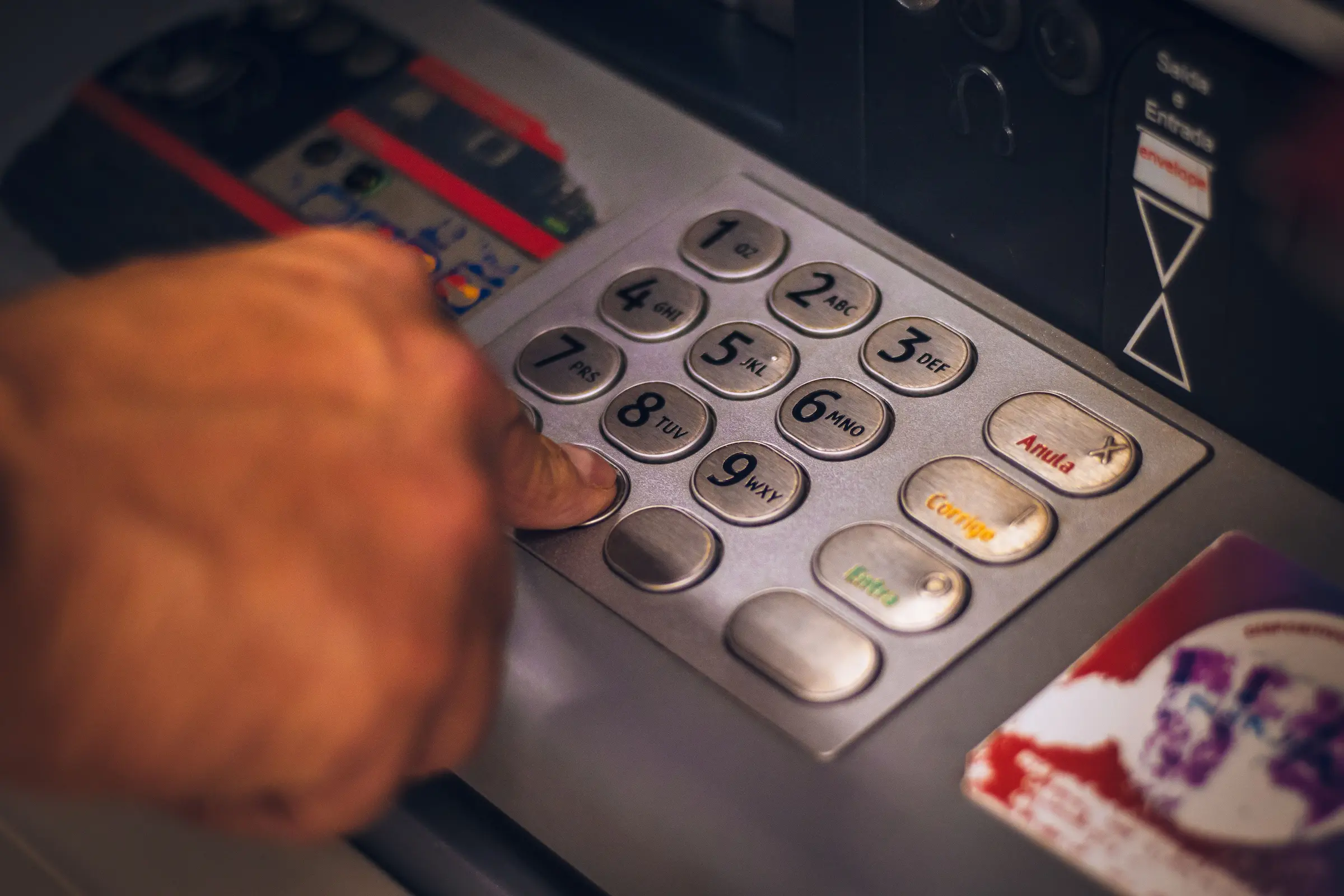
Bank-branch ATMs are usually the safer bet.
How to Avoid ATM Fees Abroad on the Ground
Even the best card can’t save you from a bad machine choice. This is my routine for how to avoid ATM fees abroad once I land.
Always Decline Dynamic Currency Conversion
The mistake I made in Prague was trusting a bright standalone ATM near a busy tourist square. The screen offered to charge me in my home currency at a guaranteed rate. That offer is dynamic currency conversion, and the rate was far worse than my bank’s. Always choose to be charged in the local currency, at ATMs and card terminals alike.
Use ATMs Attached to Real Banks
Machines at bank branches tend to charge less and push fewer conversion tricks than standalone machines in tourist zones. In Japan, where plenty of ATMs won’t take foreign cards, I head straight for a 7-Eleven, whose machines reliably accept them .
Withdraw Less Often, in Larger Amounts
If your card doesn’t refund operator fees, a flat fee hurts less on a big withdrawal than a small one. I take out enough for four or five days, split it between my wallet and a money belt, and pay by card wherever it’s accepted. When I plan a route like my two-week Thailand itinerary, I budget for ATM fees the same way I budget for buses.
Where to Find a No Foreign Transaction Fee Debit Card
You won’t find a no foreign transaction fee debit card at every bank. The best debit card for international travel also depends on where you live, because eligibility changes from country to country. Here’s how the main account types usually compare. Treat it as a map, not a promise, and check each provider’s current fee schedule.
| Card type | Foreign transaction fee | ATM fees abroad | Exchange rate | Best for |
|---|---|---|---|---|
| Traditional big-bank debit | Often 1% to 3% | Often a flat bank fee plus the operator fee | Network rate plus the fee | Short trips only |
| Online bank debit | Often 0% | Some refund operator fees, some cap refunds | Network rate | Long trips and frequent cash use |
| App-based multi-currency card | Often 0% within plan limits | Often free up to a monthly limit | Close to mid-market, possible markups on some days or currencies | Holding and spending several currencies |
| Credit union debit | Varies widely | Varies widely | Network rate, plus any fee | Members who already bank there |
| Prepaid travel card | Often none on loaded currencies | Fees are common | Locked when you load, often weaker | Strict spending control, not savings |
I’m a traveler, not a financial advisor, so compare the terms yourself before opening any account. If you bank in the US, the Consumer Financial Protection Bureau is a neutral place to learn about bank fees and your rights as an account holder. Travelers elsewhere should look for their own national banking regulator.
My Pre-Trip Card Setup Checklist
I run through this list about three weeks before any trip.
- Read the fee schedule and confirm 0% on both purchases and cash withdrawals.
- Order a backup card from a second bank well before leaving, because mailing cards abroad is slow or sometimes impossible.
- Use a 4-digit PIN, since some ATMs abroad won’t accept longer ones .
- Activate both cards and test each PIN at a home ATM.
- Carry a small emergency stash of a major currency such as US dollars or euros.
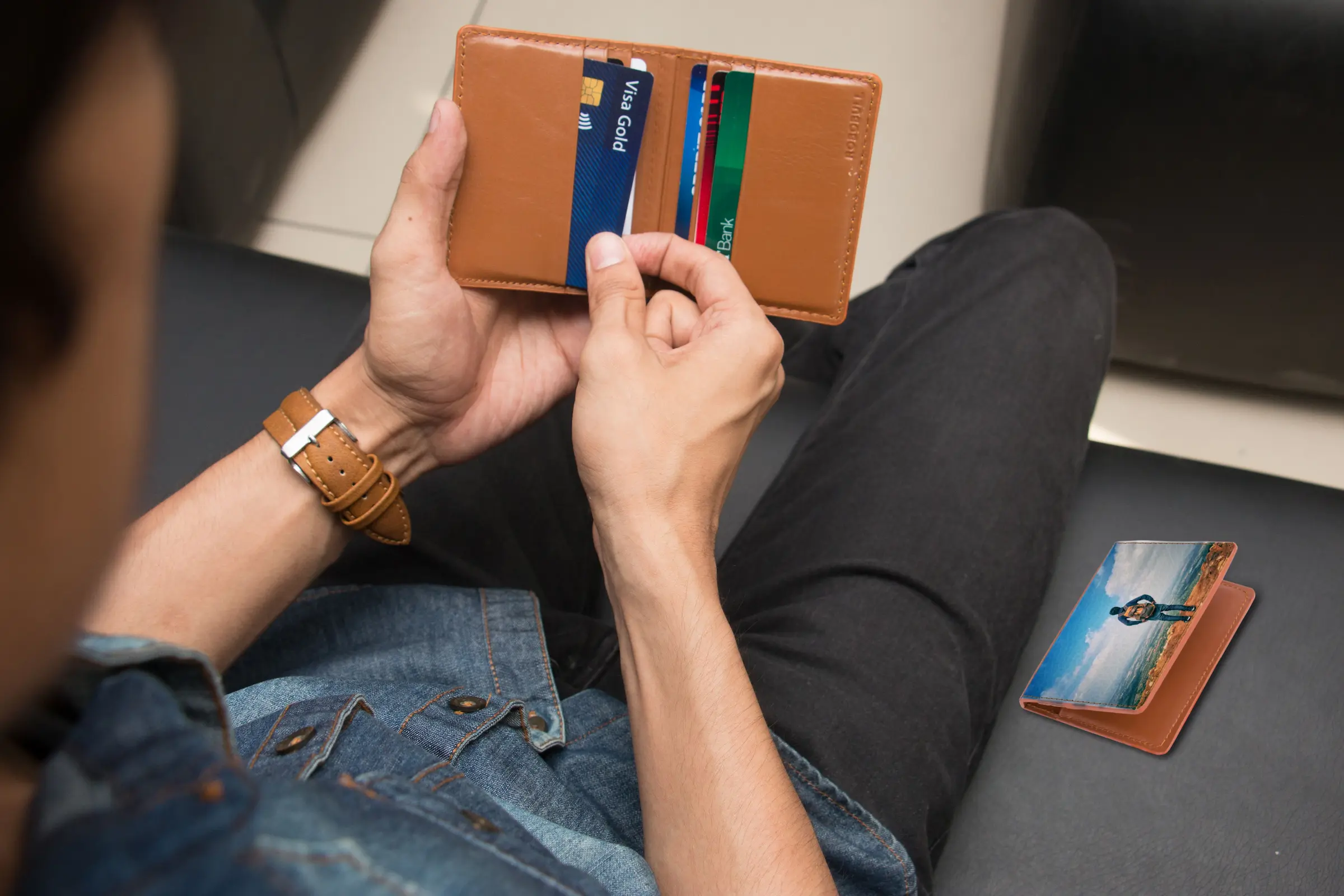
Two cards, two banks, two bags: my setup on every trip.
No Foreign Transaction Fee Debit Card FAQ
Not by itself. It removes your bank’s percentage fee on foreign currency transactions, but your bank may still charge a flat out-of-network ATM fee, and the machine’s owner can add its own charge. Look for an account that also refunds ATM operator fees if you rely on cash.
There is no single winner for everyone, because eligibility and fees depend on the country you bank in. The right card charges 0% on foreign purchases and withdrawals, refunds or limits ATM fees, runs on Visa or Mastercard, gives you the network exchange rate and lets you freeze it instantly from an app.
Look at online banks and multi-currency accounts, then read their fee schedules closely. Some refund every ATM operator fee, some refund only up to a monthly cap, and some only waive their own fee.
Many traditional banks charge somewhere around 1% to 3% of each foreign transaction, and some add a flat fee on ATM withdrawals as well. The exact amount varies by bank and account, so check your own bank’s current fee schedule before you travel.
Start with the basics of how to avoid ATM fees abroad: withdraw larger amounts less often, use ATMs attached to real bank branches, always choose to be charged in the local currency and pay by card wherever it is accepted.
Common Traveler Mistakes With Travel Cards
When an ATM or card machine offers your home currency, decline and pick the local currency every time.
One swallowed card or fraud block can leave you cashless. Carry a backup from a second bank in a different bag.
Your bank controls its own fees, not the machine’s. Check whether your account refunds operator fees.
Airport exchange counters usually offer weak rates. If you need cash on arrival, use a bank ATM in the terminal.
Verdict: Is a No Foreign Transaction Fee Debit Card Worth It?
Yes, for almost anyone who travels more than once or twice a year. If you take one short trip annually, your current card plus careful ATM choices may be enough. If you travel often or long-term, get a no foreign transaction fee debit card that also refunds ATM operator fees, and pair it with a backup from a second bank.
That combo has saved me more than any flash sale. For more routes, money tricks and practical guides, head back to the Travel Tricks homepage.