Solo Travel Tips for Beginners: What 7 Years Taught Me
Solo travel tips come down to three habits: plan your first 48 hours, tell someone at home where you are, and spend money on what keeps you safe and social. I have followed these rules for 7+ years across 40+ countries on roughly $30 to $50 a day. Most of my trips are solo travel on a budget, so every tip below is cheap or free.
I grouped the 12 rules into four parts: planning, safety, money and meeting people. For ready-made routes to match them, browse my Itineraries Vault.

Checking the board before you board is a habit worth building on day one.
What’s Inside
- Solo Travel Tips for Planning Your First Trip
- Solo Travel Tips for Staying Safe Abroad
- Solo Travel on a Budget: Money Rules That Work
- How to Meet People When Traveling Alone
- Solo Travel for Beginners: Where to Sleep
- Your Pre-Departure Checklist
- Frequently Asked Questions
- Common Traveler Mistakes
- Master Verdict: Start Easy, Stay Flexible
Solo Travel Tips for Planning Your First Trip
1. Start with an easy country
Pick a country with good hostels, cheap transport and plenty of other travelers. Thailand, Vietnam and Portugal fit that profile . Save harder destinations for later, once you trust your own judgment. This is the simplest rule in solo travel for beginners: lower the difficulty first, then raise it with each trip.
2. Book only your first two nights
Reserve two nights and leave the rest open. You get a safe landing and room to change plans. On my first night in Bangkok I arrived late with no booking and overpaid for a taxi to a guesthouse I had picked in a rush. Now I save the address offline before I board.
3. Set a daily budget before you leave
Pick a number per day and track it in a notes app. Mine is roughly $30 to $50, but yours depends on the region and your habits. Prices shift, so check current prices before you commit. My full system is in my guide on how to travel on a budget.
Solo Travel Tips for Staying Safe Abroad
Safety is mostly habit, not luck. These three rules cover most of it.
4. How to travel alone safely after dark
Arrive in daylight when you can. Walk like you know where you are going, even when you are lost. Check your map inside a shop or cafe, not on a dark corner. Use a ride app or ask your accommodation to call a taxi. If a street feels wrong, cross it or turn back.
5. Protect your phone and passport
The mistake I made in Rome was carrying my phone in a back pocket on a packed metro. Crowded transport and busy tourist spots attract pickpockets in many cities. Use a zipped inner pocket, and keep photos of your passport in cloud storage.
6. Share your plans and check official advice
Send someone at home your rough route and message them every day or two. Before booking, read current government advice, such as the UK foreign travel advice pages. They cover safety and entry rules by country and change often, so check again before you fly. Buy insurance too. Policies differ, so read what yours covers.
Solo Travel on a Budget: Money Rules That Work
Even the best solo travel tips fail without a money plan. Solo travel on a budget gets easier once you cut the big costs first.
7. Carry two cards and a little cash
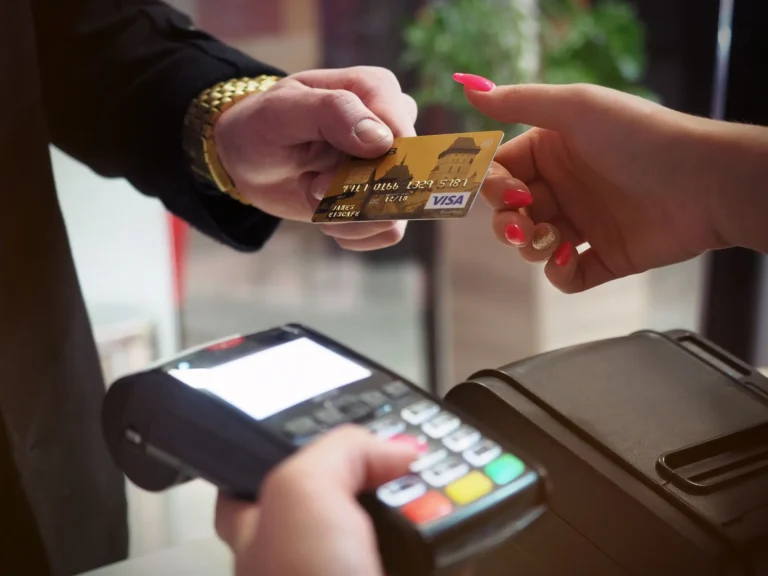
Bring a debit card and a backup card, and store them apart. Keep a small cash stash for places that do not take cards. In Hanoi I made several small ATM withdrawals and paid a fee each time . One bigger withdrawal would have cost less. Check your bank fees first, and read my guide to a no foreign transaction fee debit card.
8. Cut the big three costs first
Beds, transport and food take most of a backpacker budget. Dorm beds, local buses, trains and supermarket meals keep all three low. Cook in the hostel kitchen a few nights a week. One street meal plus one supermarket meal usually beats three restaurant meals. Check current prices in each city.
9. Keep an emergency fund
Hold back money for a flight home or an unplanned night in a private room. Nobody splits the cost with you when you travel alone. Keep that fund on a card you do not use every day.
How to Meet People When Traveling Alone
10. Choose a social hostel
Dorms are the easiest answer to how to meet people when traveling alone. Look for hostels with a common room, a kitchen or group dinners. Read recent reviews for words like friendly and social. Dorm beds also cost less than private rooms in most places. Check current prices.
11. Join one group activity early
On my first full day in Lisbon I joined a free walking tour. Many cities run tip-based tours, and the group usually chats afterward . I met two travelers and we shared dinner that night. One activity in your first 48 hours breaks the ice.
12. Say yes, then protect your downtime
Accept the first invitation to a meal or a hike, as long as the plan is public and in daylight. Then book a quiet evening for yourself. Loneliness usually hits me around the second or third week of a trip. A call home, a book and an early night all help.
Travel Trick: The 48-Hour Rule
Of all the solo travel tips I use, this one works fastest. In your first 48 hours in a new city, do three things: join one group activity, share one meal with someone you met, and walk the area around your bed in daylight. After that you know the streets and a few faces, and the trip feels lighter.

A busy hostel common room is the easiest place to put these solo travel tips to work.
Solo Travel for Beginners: Where to Sleep
Your bed shapes your trip more than any other choice. These solo travel tips on accommodation come down to trade-offs, so use the table below. Prices vary by country and season, so check current prices.
| Option | Cost level | Social level | Best for |
|---|---|---|---|
| Hostel dorm | Lowest | High | Meeting people on a tight budget |
| Hostel private room | Low to mid | Medium | Rest days and light sleepers |
| Guesthouse | Low to mid | Medium | Quiet stays and local tips |
| Campervan | Varies widely | Low to medium | Flexible road trips |
| Short-term rental | Mid to high | Low | Longer stays and privacy |
Decision rule: if you want friends, choose a dorm. If you sleep badly, choose a private room. If you want flexibility, a campervan can work, but check parking and camping rules for each area.
Your Pre-Departure Checklist
Run through this list a week before you fly.
- Check entry rules and passport validity requirements for your destination on official sites.
- Read your travel insurance to see what it covers and excludes.
- Pack two cards, stored apart, plus a small cash stash.
- Download offline maps for every city on your route.
- Store passport and insurance copies in cloud storage and email.
- Book your first two nights and save the addresses offline.
- Share your route and emergency contacts with someone at home.
- Pack a bag you can carry comfortably up a flight of stairs.

The reward: a free morning in a city that already feels familiar.
Frequently Asked Questions
Start with an easy country, book only your first two nights, set a daily budget and share your plans with someone at home. In your first 48 hours, join one group activity so you meet people early.
Arrive in daylight, keep your phone and passport secure, use ride apps or accommodation-booked taxis at night and message someone at home every day or two. Read current government travel advice before you go.
Yes, especially in regions with cheap beds, food and transport. My own spending is roughly $30 to $50 a day, but costs vary widely by country and season, so check current prices before you book.
Stay in social hostels, join a walking tour or group meal in your first 48 hours, and say yes to public daytime invitations. Many travelers are in the same position and glad to chat.
Not if you choose an easy destination, plan your first two nights and follow basic safety habits. Risk varies by place, so check official travel advice for your destination before you go.
Common Traveler Mistakes
These are the errors I see most often, even among people who read solo travel tips before leaving.
I once hauled a bag far too heavy up hostel stairs. Pack for one week and wash clothes as you go. A light bag makes buses, stairs and dorms much easier alone.
A rigid plan leaves no room for a great hostel or a new friend’s route. Book the first two nights, then stay flexible, and check cancellation rules each time.
A medical bill or a lost bag is harder to handle alone. Policies differ in cover, limits and exclusions. Read the details and check current terms before you buy.
If a person, a street or a room feels wrong, leave. You do not owe a stranger politeness at the cost of safety. Keep an exit line ready, like “I am meeting friends.”
Master Verdict: Start Easy, Stay Flexible
These solo travel tips work because they remove the biggest risks before they appear. If this is your first trip, choose an easy country and book two nights. If safety worries you, learn how to travel alone safely first: arrive by day, secure your phone and share your route. If money is tight, use social dorms and supermarket meals. If you feel lonely, join one activity in your first 48 hours.
Ready for more? Explore every guide on Travel Tricks and pick your next route.